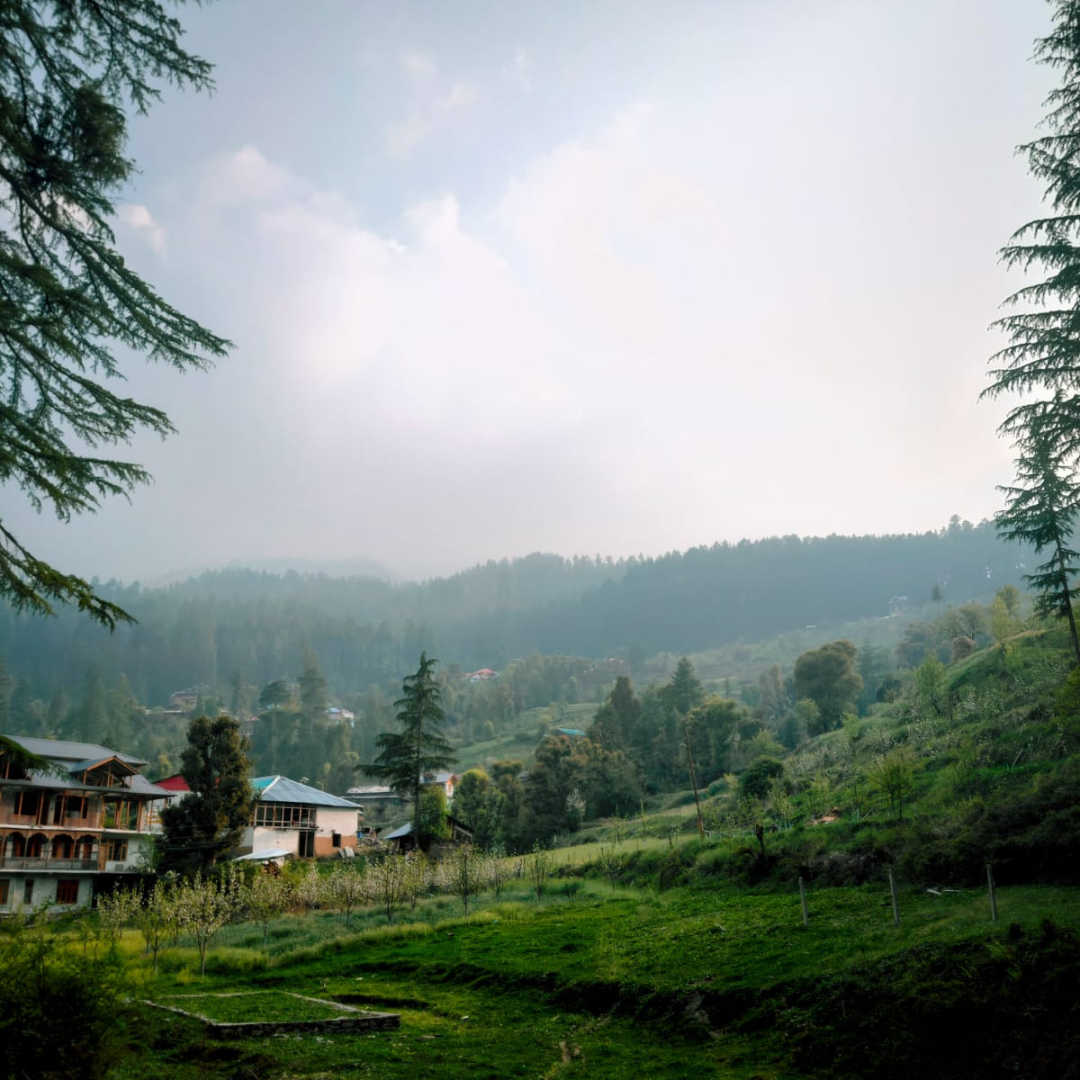
If your idea of a Himachal trip is pine forests, small mountain villages, waterfalls, riverside time and short hikes rather than a packed mall road, Jibhi and Tirthan Valley deserve a place on your list.
Located in the Banjar region of Kullu district, this part of Himachal Pradesh is well suited to travelers looking for a quieter mountain getaway. Jibhi works as a comfortable base for cafés, waterfalls and village walks, while nearby Shoja and Jalori Pass open the way to forest hikes such as the Serolsar Lake trail. Tirthan Valley adds riverside scenery, traditional villages and access toward the Great Himalayan National Park region.
For travelers starting from Delhi, these places can also be combined into a compact weekend-style trip using an overnight journey to Aut and onward road transfers into the valley. This Jibhi travel guide explains how to plan a Jibhi Tirthan Valley trip step by step.
It covers the best places to visit in Jibhi and Tirthan Valley, things to do, trekking options, how to reach the region, seasonal planning, costs and a practical 3-day itinerary.
Jibhi Travel Guide: Quick Facts for Jibhi & Tirthan Valley
| Travel detail | What to know |
|---|---|
| State | Himachal Pradesh |
| Region | Banjar area, Kullu district |
| Ideal duration | Around 2–4 days for a compact Jibhi–Tirthan trip |
| Popular bases | Jibhi, Banjar, Gushaini and nearby villages |
| Major attractions | Jibhi Waterfall, Mini Thailand, Shoja, Jalori Pass, Serolsar Lake and Tirthan Valley |
| Popular activities | Short hikes, waterfalls, village exploration, photography, cafés and riverside time |
| Major trekking gateway | Jalori Pass for nearby day hikes; Gushaini for several GHNP-side routes |
| Main road gateway | Aut |
| Suitable for | Couples, solo travelers, friends, groups and nature-focused travelers |
| Delhi trip format | Overnight journey to Aut followed by local road transfers |
Mountain weather and road access can change quickly, particularly around Jalori Pass. Check current conditions close to your travel date instead of relying only on a seasonal average.
Want a ready-made Jibhi & Tirthan Valley itinerary?
Tell us a few details — we'll send free pricing and dates.
Where Is Jibhi?
Jibhi, Himachal Pradesh, is a small mountain settlement in the Banjar region of Kullu district. It lies in the wider network of villages and valleys around the Tirthan River region and is commonly combined with Banjar, Shoja, Jalori Pass and Tirthan Valley on short itineraries.
For travelers coming from Delhi, Aut on the Chandigarh–Manali highway is an important gateway. From Aut, road transport continues toward Banjar and onward to Jibhi or deeper into Tirthan Valley.
Jibhi is not a large conventional hill station. That is part of its appeal: the experience is more about forests, local roads, cafés, waterfalls, walks and day trips into the surrounding mountains.
Jibhi vs Tirthan Valley – Are They the Same?
No. The names are often used together in tour itineraries, but they refer to different things.
| Jibhi | Tirthan Valley |
|---|---|
| A mountain settlement commonly used as a stay base | A wider river valley shaped by the Tirthan River |
| Known for Jibhi Waterfall, Mini Thailand, cafés and nearby village experiences | Known for riverside scenery, villages, forests and access toward GHNP |
| Convenient for Shoja and Jalori Pass trips | Commonly explored around places such as Gushaini and surrounding villages |
| Works well for short stays | Can support slower nature trips and longer trekking plans |
The Tirthan River flows through a valley of forests and small settlements before joining the Beas system near Larji. Part of the valley is associated with the protected landscapes around the Great Himalayan National Park.
Shoja sits higher in the mountains and is a useful base or stop for Jalori Pass, while Jalori Pass provides access to popular hikes such as Serolsar Lake. That is why Jibhi, Tirthan Valley, Shoja and Jalori are frequently combined in one trip.
Why Visit Jibhi & Tirthan Valley?
The strongest reason to visit is variety without needing a long itinerary.
You can spend one day around waterfalls and cafés, another hiking through forest from Jalori Pass, and another exploring Tirthan's riverside surroundings. The landscape shifts between pine and cedar forests, village roads, mountain ridges, streams and open viewpoints.
The region is especially appealing if you enjoy:
- Quiet mountain stays rather than busy commercial centers
- Short forest walks and moderate day hikes
- Waterfalls and riverside scenery
- Small Himalayan villages
- Mountain cafés
- Landscape and travel photography
- Slow travel
- Weekend road trips
- Offbeat Himachal itineraries
- Combining sightseeing with light adventure
It is still important to travel realistically. Popular spots can be busy during peak weekends, and narrow mountain roads or weather can affect plans.
Best Places to Visit in Jibhi & Tirthan Valley
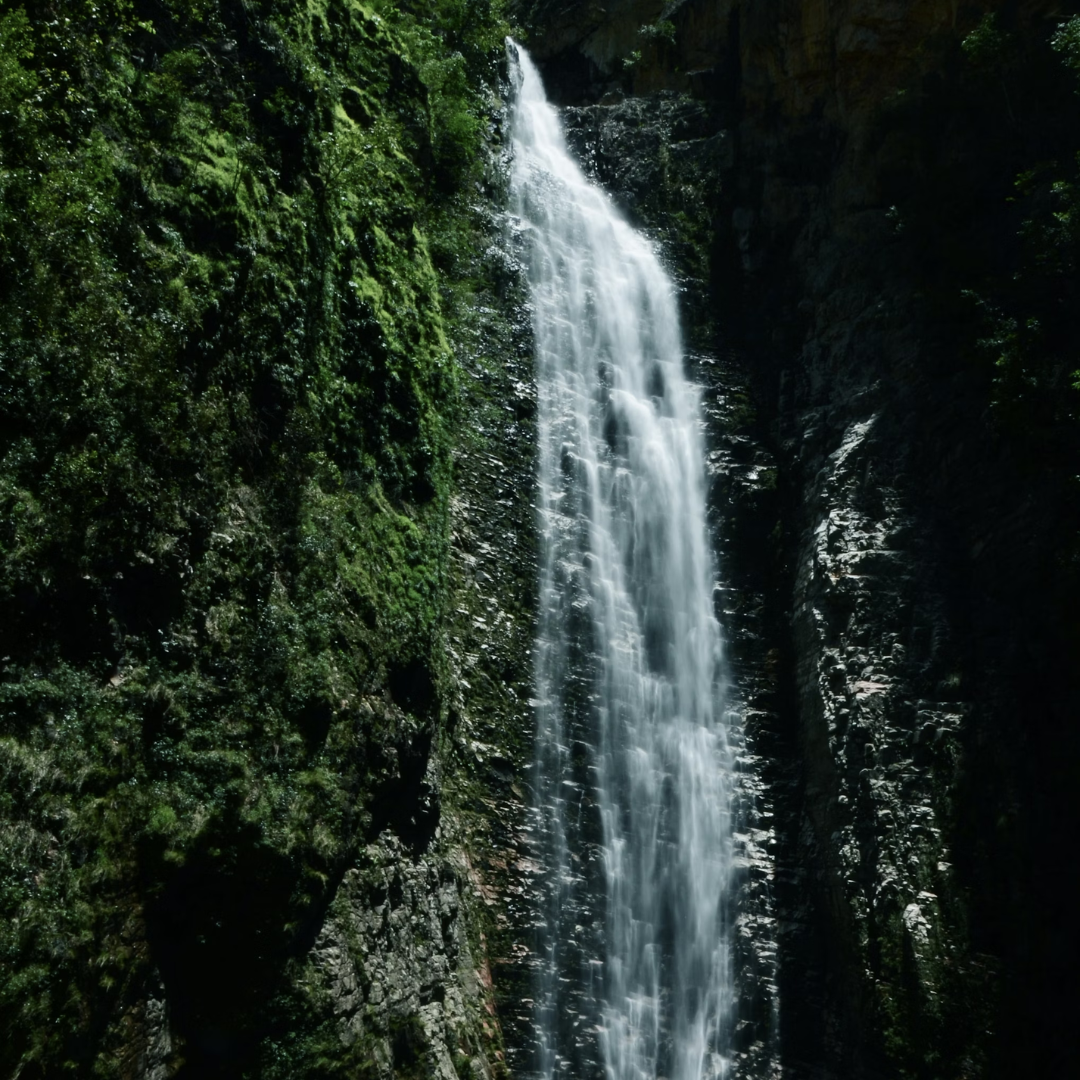
1. Jibhi Waterfall
Jibhi Waterfall is one of the easiest places to include on your first day. The attraction sits within a forested setting and provides a short nature-focused outing without requiring a full trekking day.
Go with comfortable shoes because paths around waterfalls can become slippery, especially after rain. It works particularly well after arrival because you can combine it with a local walk and café time rather than committing to a long excursion.
2. Mini Thailand Jibhi
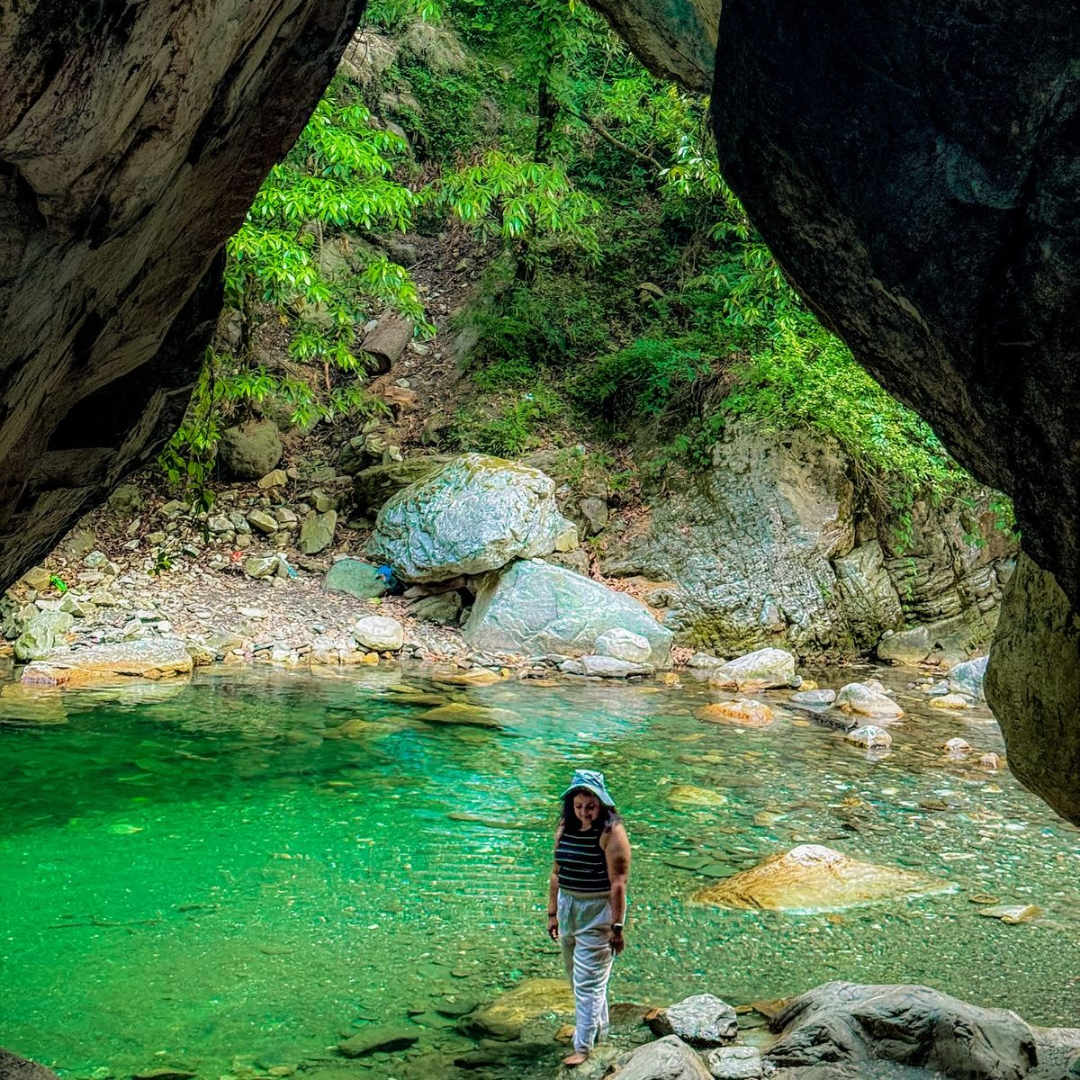
Mini Thailand is the nickname used for a small natural spot near Jibhi where rock formations and water create a distinctive pool-like setting.
The attraction is less about grand sightseeing and more about the walk, forest environment and unusual natural formation. Treat it as part of a relaxed Jibhi exploration rather than expecting a large developed tourist site.
3. Shoja
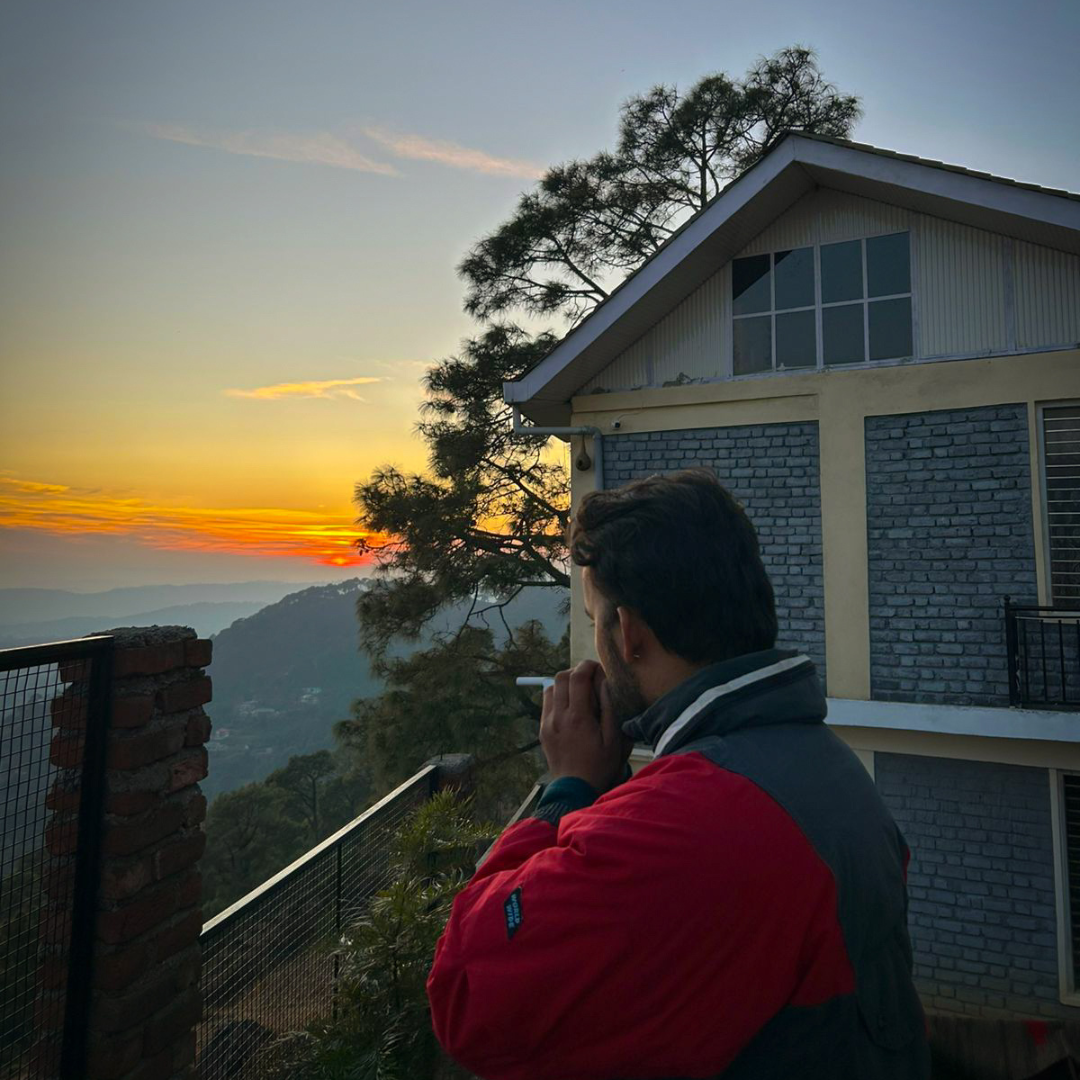
Shoja is a quiet mountain hamlet higher up from the Banjar–Jibhi side. Himachal Tourism highlights it for its wilderness setting, apple orchards, valley views and access to nearby walks.
Its location makes it useful for travelers heading toward Jalori Pass. Even if you are staying in Jibhi, the changing landscape on the drive toward Shoja and Jalori is part of the experience.
4. Jalori Pass
Jalori Pass is one of the most important sightseeing and trekking points around Jibhi. The pass sits on a high mountain road and opens into broad Himalayan views when the weather is clear.
It is also a starting point for popular hikes, including Serolsar Lake. Himachal Tourism describes the area as trekking country and specifically recommends the day hike toward the lake.
Road conditions around Jalori are highly seasonal. Snow can affect or close the pass in winter, while rain, landslides and other mountain conditions can influence access at other times. Always check locally before setting out.
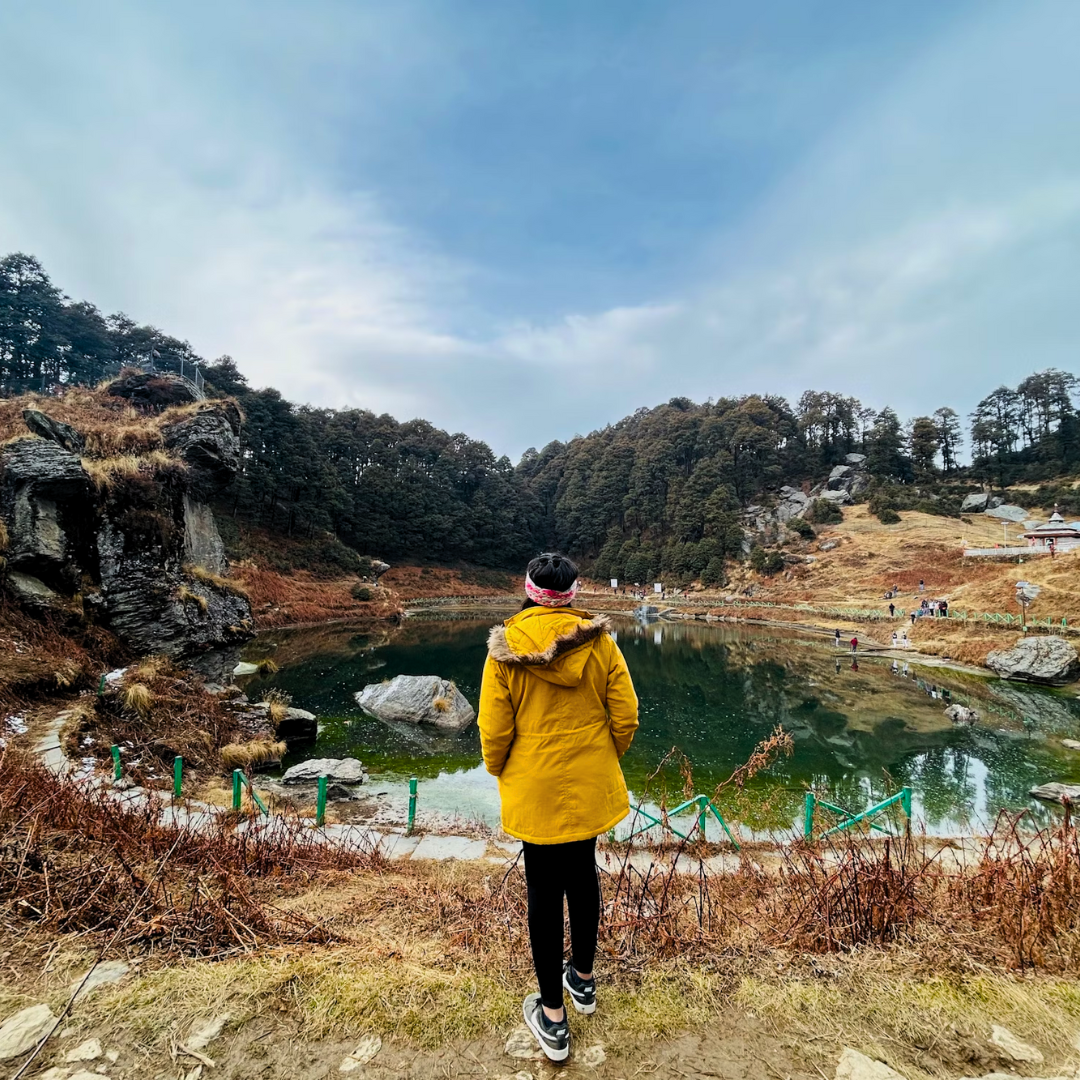
5. Serolsar Lake Trek
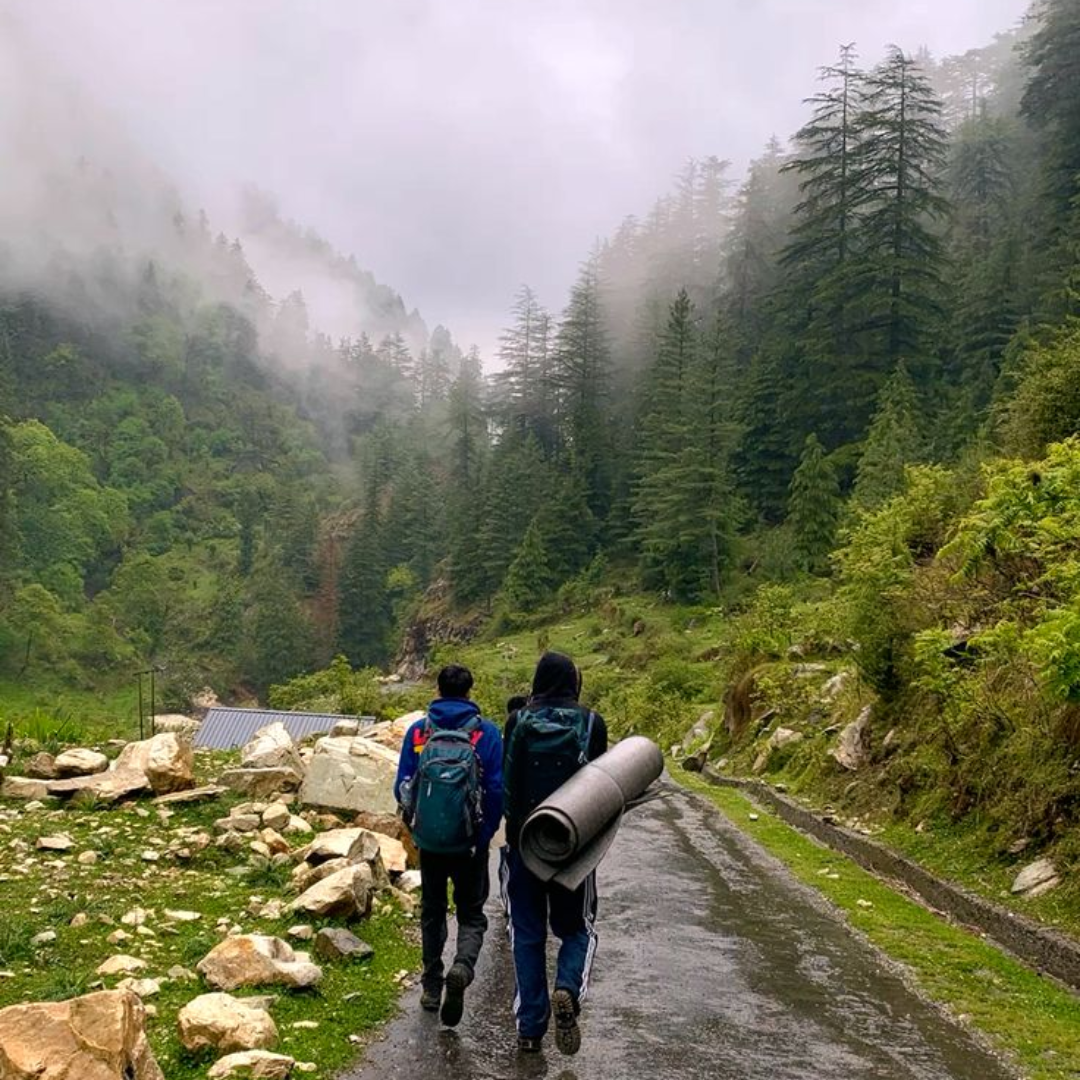
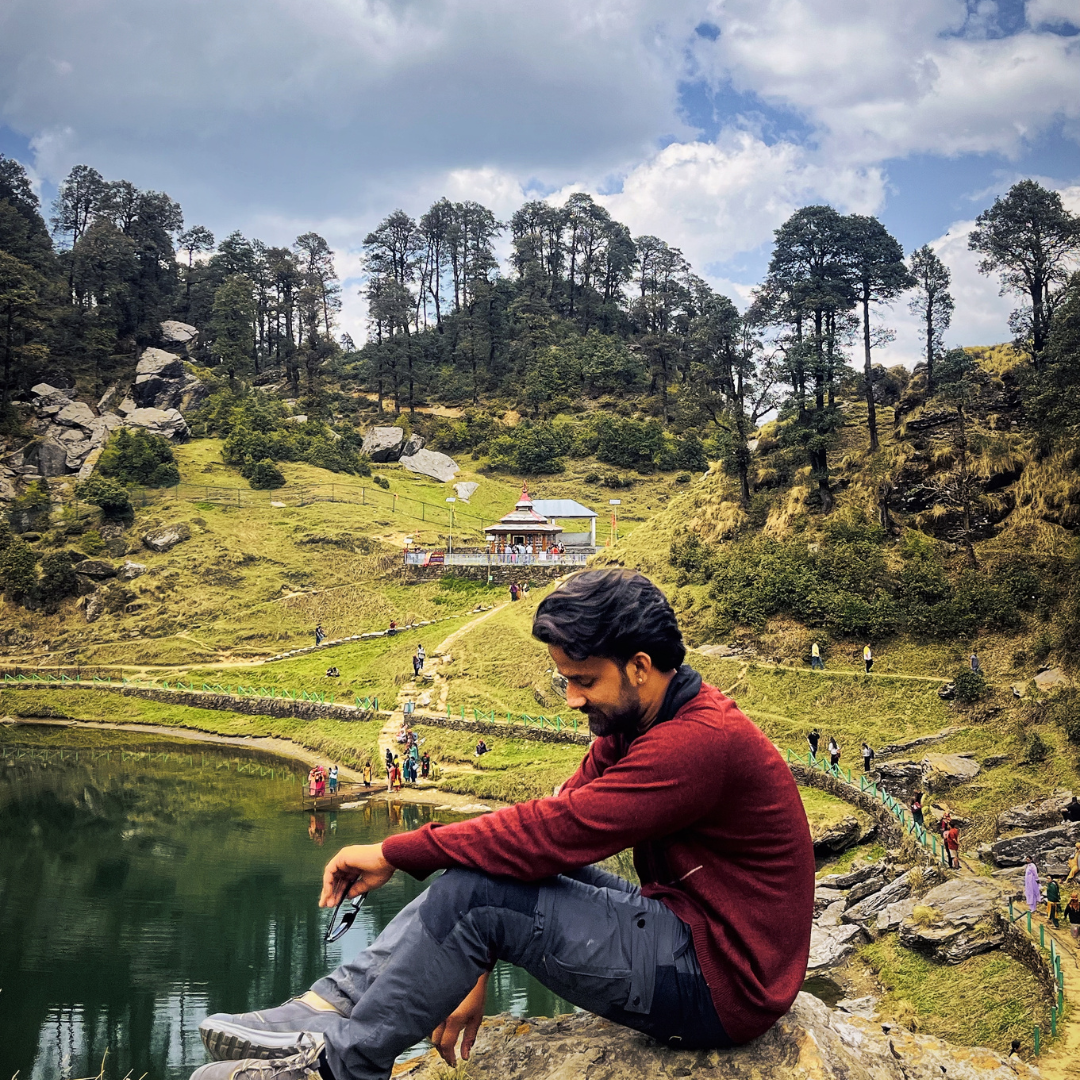
The Serolsar Lake trek is one of the most popular short hikes to combine with a Jibhi trip. It generally begins around Jalori Pass and follows a forest trail toward the lake.
Rather than focusing only on reaching the lake, enjoy the forest route itself. The trail is attractive for travelers who want a genuine walking experience without committing to a multi-day Himalayan trek.
Difficulty depends on fitness, weather and trail conditions. Wear shoes with useful grip, carry water and avoid assuming that a short trek is automatically easy in every season.
6. Budhi Nagin Temple
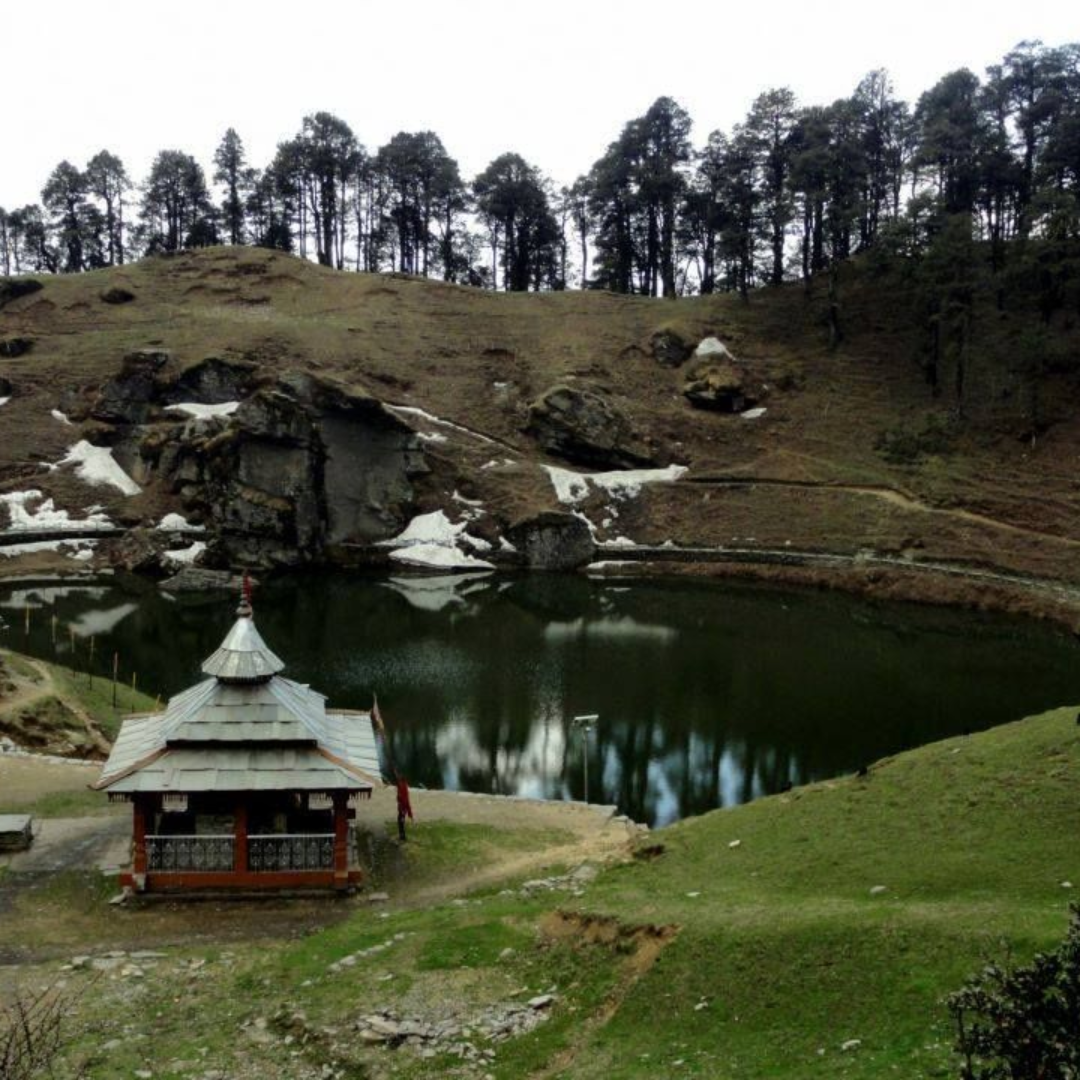
Budhi Nagin Temple is located near the Serolsar Lake area and is closely associated with the lake in local tradition.
Travelers commonly visit the temple as part of the Serolsar hike. Treat the site respectfully as a place of local religious significance rather than simply as another photo point.
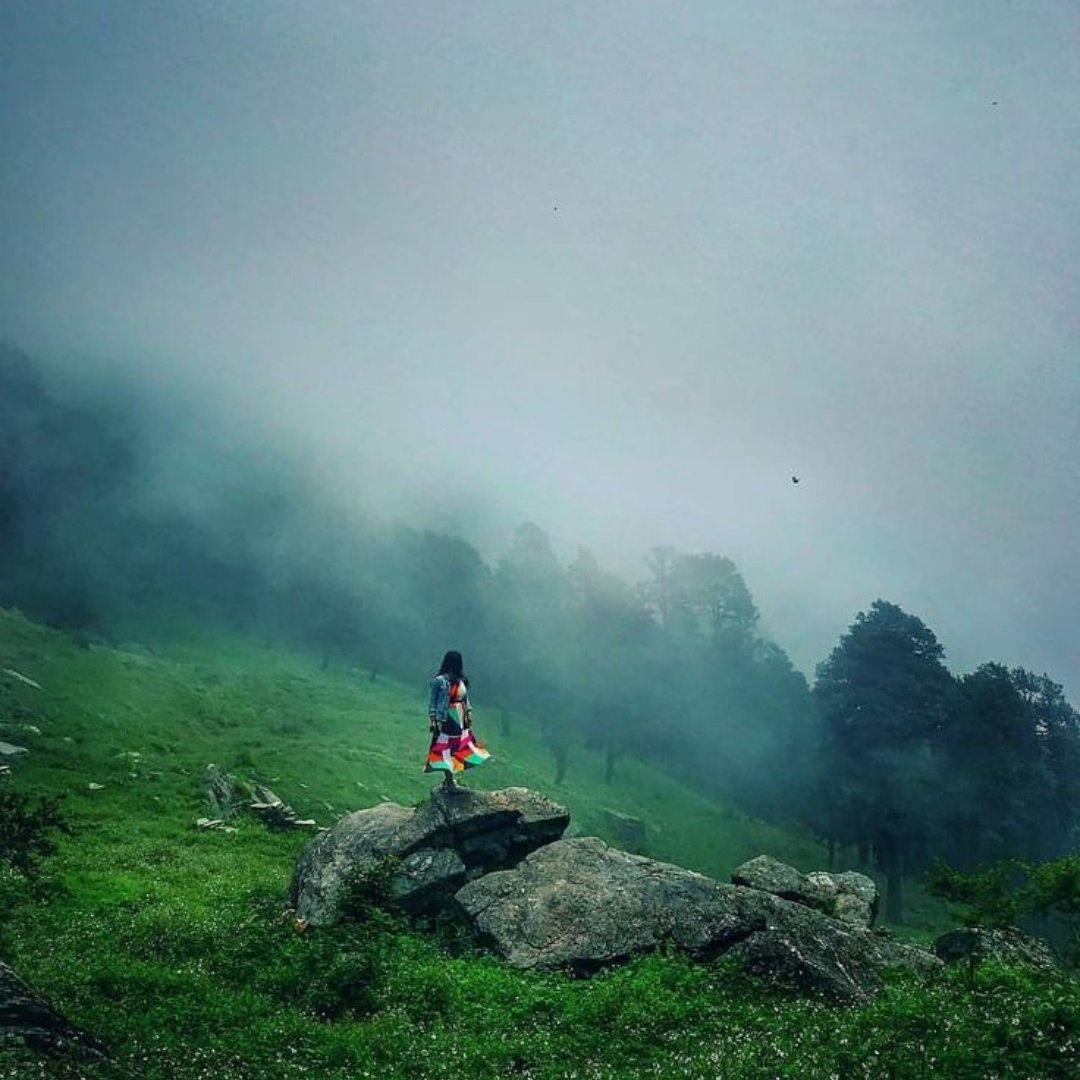
7. Raghupur Fort Trek
Raghupur Fort is another hiking option from the Jalori Pass side. The route is known more for the walking experience, open meadows and mountain scenery than for a conventional preserved fort complex.
If your itinerary is only three days, trying to complete both Serolsar Lake and Raghupur Fort on the same schedule may make the trip rushed. Choose according to weather, available daylight and your group's fitness.
8. Tirthan Valley
Tirthan Valley offers a different rhythm from Jibhi. The official Great Himalayan National Park website describes a valley of small villages, waterfalls, pine and cedar forests shaped by the Tirthan River.
This is a good place to slow down. Riverside time, village walks, nature photography and exploring the wider GHNP ecozone can be more rewarding than trying to collect attractions quickly.
9. Choie Waterfall
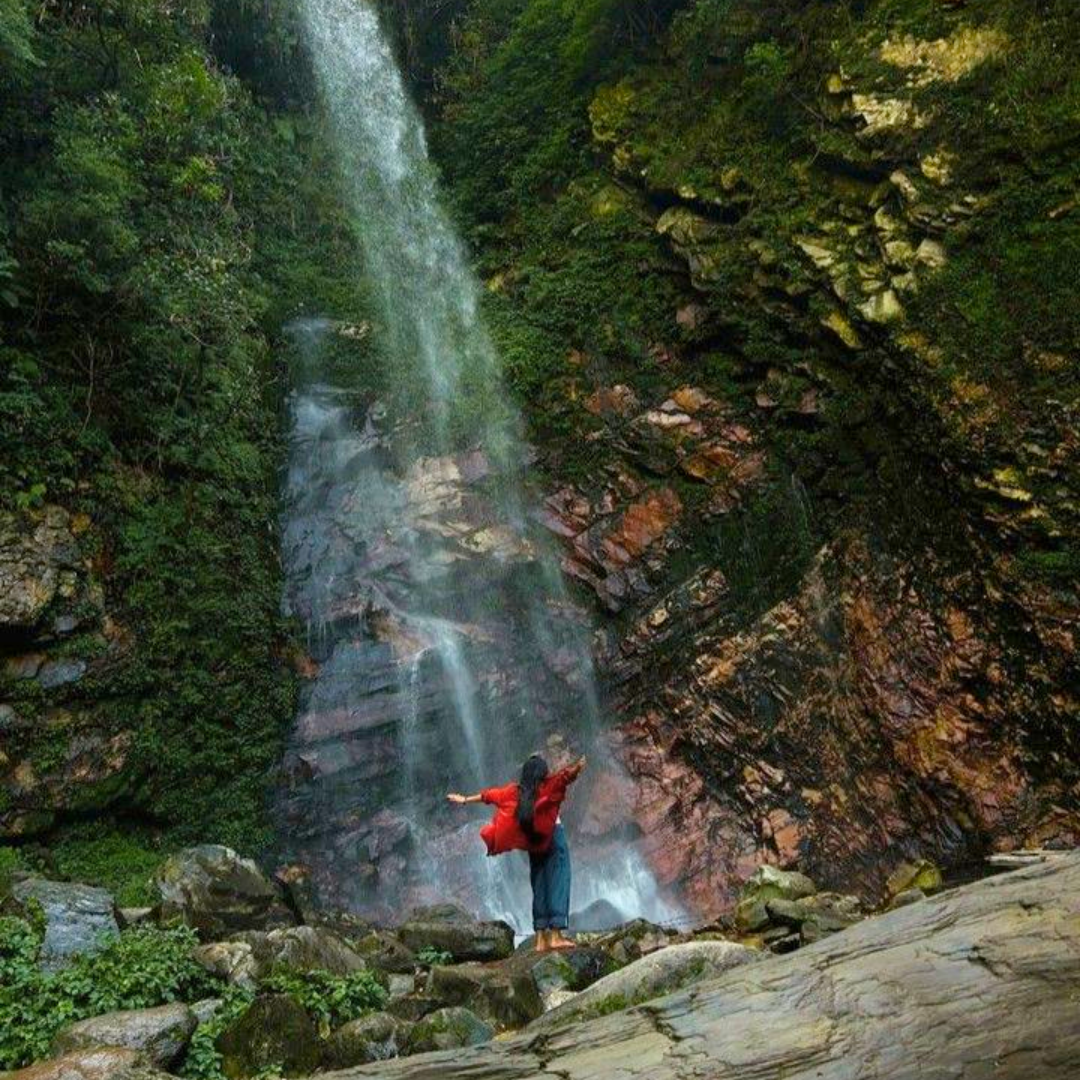
Choie Waterfall is another nature stop that can be included while exploring the Tirthan side. Serenade Travels' current itinerary includes a short trek to the waterfall on the final day before returning toward Aut.
As with any waterfall trail, rain can change the walking surface quickly. Use suitable footwear and allow enough time to return without rushing.
10. Chehni Kothi
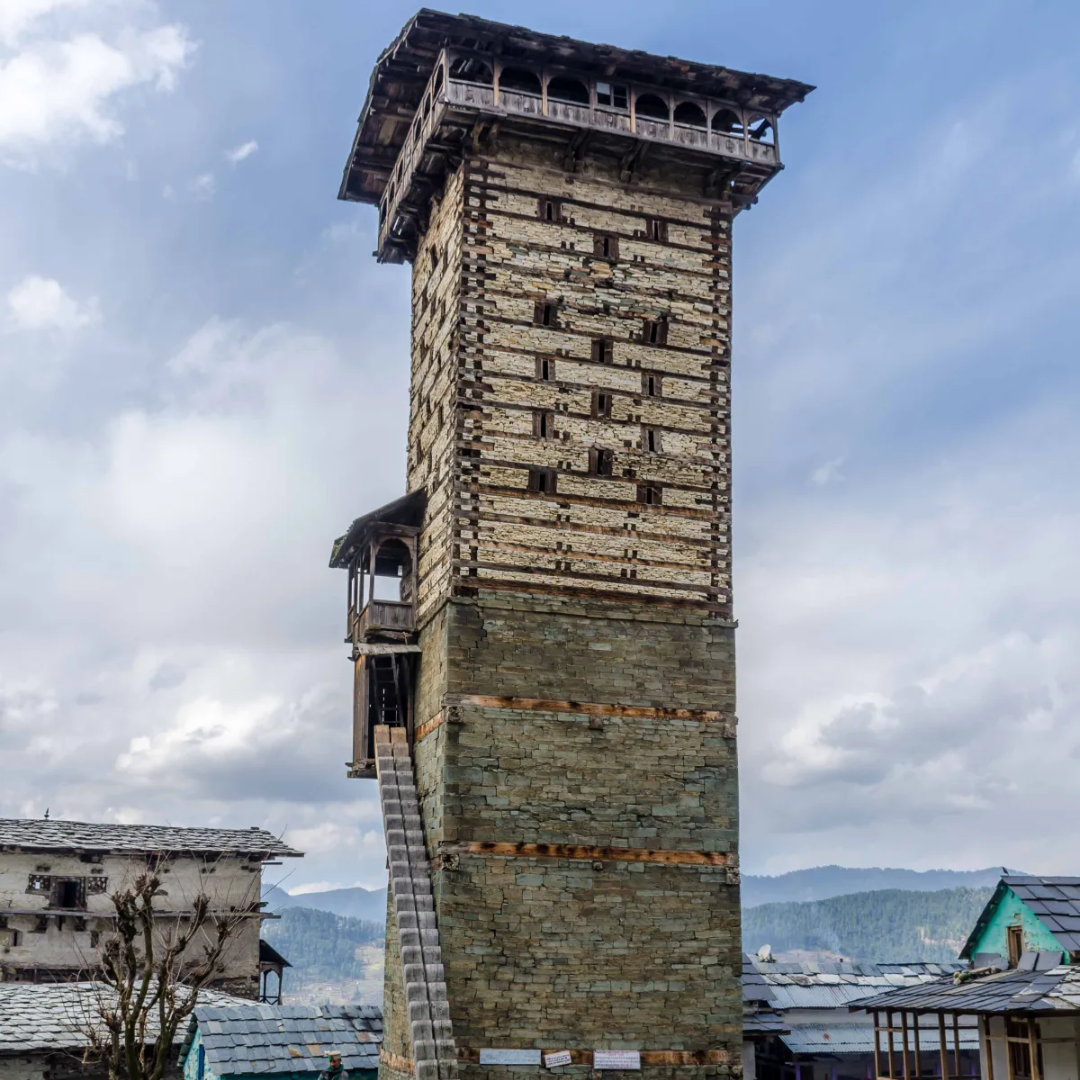
Chehni Kothi is known for traditional tower-style Himalayan architecture and is one of the cultural additions travelers may consider when spending more time in the Banjar–Tirthan region.
It appears among the wider highlights in Serenade Travels' Tirthan–Jibhi package information, but it is not part of the current core 3-day itinerary described below. Treat it as an optional extension rather than assuming it is included in every departure.
11. Great Himalayan National Park
The Great Himalayan National Park (GHNP) is one of the most important natural landscapes associated with Tirthan Valley. Tirthan and Sainj serve as gateways to different parts of the protected region, and several longer trekking routes begin from villages in these valleys.
A GHNP experience is different from a casual roadside sightseeing stop. Longer trails may require more time, permits or local guidance depending on the route and current regulations.
The park's official website periodically publishes access notices, including closures of selected areas for trekkers or visitors. If GHNP is a major reason for your trip, check the latest official notice before planning a route.
GHNP is not part of the core Serenade Travels 3-day itinerary described in this article. Consider it an additional experience for a longer Tirthan Valley trip.
Best Things to Do in Jibhi & Tirthan Valley
A good Jibhi trip is less about rushing between attractions and more about combining short activities.
Explore waterfalls: Jibhi Waterfall and Choie Waterfall give you two different forest-and-water experiences.
Hike to Serolsar Lake: Start around Jalori Pass and spend a substantial part of the day walking through the forest toward the lake.
Consider Raghupur Fort: If you prefer open meadows and ridge views, research the Raghupur side as an alternative hiking plan.
Spend time by the Tirthan River: Riverside surroundings are one of the valley's defining features. Choose safe, accessible spots and avoid entering strong water currents.
Explore Himalayan villages: Jibhi, Shoja and settlements around Tirthan provide a slower experience than a conventional sightseeing circuit.
Try mountain cafés: Jibhi's cafés are ideal for arrival evenings or relaxed periods between day trips.
Take nature photographs: Forest, waterfalls, traditional buildings, mountain roads and valley views create plenty of subjects without needing a dedicated photography tour.
Go for short nature walks: Not every walk needs to be a trek. A relaxed village or forest walk can be one of the best ways to experience the region.
Stargaze when conditions permit: Clear mountain nights away from strong urban lighting can offer good skies, but cloud, moonlight and weather determine visibility.
Drive toward Shoja and Jalori: The changing elevation and mountain landscape are part of the trip, not simply transport between two attractions.
Perfect 3-Day Jibhi Tirthan Valley Itinerary
This itinerary follows the current structure of Serenade Travels' Tirthan Jibhi Shoja group trip.
Day 0 – Delhi to Aut
Board the overnight journey from Delhi toward Aut. The current package itinerary uses Majnu Ka Tila as the Delhi boarding point and an AC semi-sleeper bus arrangement.
Meet the Trip Captain, get the trip briefing and use the overnight journey to rest before entering the valley the following morning.
Day 1 – Arrival & Jibhi Exploration
Arrive at Aut and transfer to a local Traveler or SUV for the drive toward Jibhi.
After checking in and resting, explore Mini Thailand and Jibhi Waterfall. These attractions fit well on arrival day because they provide nature and walking without the commitment of a full trek.
Spend the evening around the local market or cafés before returning for dinner and an overnight stay in Jibhi.
Day 2 – Shoja, Jalori Pass & Serolsar Lake
After breakfast, drive upward toward Jalori Pass, passing through the Shoja side of the region.
At Jalori, begin the trek toward Serolsar Lake. Enjoy the forest trail and visit Budhi Nagin Temple near the lake area.
Return toward your stay in the evening for dinner and overnight rest.
The day's exact plan should remain flexible because weather, road and trail conditions around Jalori can change.
Day 3 – Tirthan Side, Choie Waterfall & Return to Delhi
After breakfast, head toward Choie Waterfall. The current package itinerary describes a short trek to reach the waterfall.
After the visit, continue back toward Aut and board the overnight vehicle for Delhi.
The current package itinerary does not include every attraction mentioned in this guide. Chehni Kothi, Raghupur Fort and GHNP, for example, are better treated as possible additions for a longer itinerary unless they are explicitly added to your departure.
Best Time to Visit Jibhi & Tirthan Valley
The best time depends on what you want from the trip. Road access to higher areas such as Jalori Pass is especially important when choosing dates.
March to June
Spring and early summer are popular for sightseeing, village walks and outdoor activities as conditions become milder.
Higher roads may take time to fully normalize after winter, so early-season travelers should still check Jalori Pass access before planning the Serolsar hike.
July to September
Monsoon brings greener landscapes but also heavier rain and a greater possibility of slippery trails, road disruptions or landslides.
Travel with rain protection and keep the itinerary flexible. Do not force a trek if local conditions are poor.
October to November
Autumn can be an attractive period for hiking and sightseeing as conditions become cooler. Nights can feel considerably colder than afternoons, so pack layers.
December to February
Winter can transform the higher landscape with snow, but it also changes accessibility. Himachal Tourism notes that Jalori Pass receives significant winter snow and can remain closed to traffic during the core winter period.
Jibhi itself may still be visited depending on conditions, but never plan a winter trip on the assumption that Jalori Pass or every trek will be accessible. For other snow-season ideas, see our guide to the best winter trips in India.
How to Reach Jibhi
Delhi to Jibhi by Road
The broad road approach from Delhi heads toward Himachal and reaches Aut, which is the main gateway for onward travel into the Banjar/Tirthan side.
From Aut, travelers continue toward Banjar and then Jibhi by local road. Mountain conditions can make journey times variable, so avoid planning a tightly timed arrival.
Delhi to Jibhi by Bus
Many travelers use an overnight bus toward the Kullu–Manali corridor and get down around Aut before arranging onward transport.
Serenade Travels' current Jibhi group trip uses an overnight Delhi-to-Aut journey and then a local Traveler/SUV for the valley.
Bus schedules, operators and fares change, so verify current options for your travel date. Planning around a holiday? See our Gandhi Jayanti long weekend trips from Delhi.
Reaching Jibhi by Train
There is no direct railway station in Jibhi. The official GHNP access information lists Joginder Nagar as the nearest railway station for the park region, followed by a road journey toward Aut.
Depending on your origin and train availability, travelers may also prefer a larger railhead farther away and complete the remaining journey by road.
Reaching Jibhi by Air
The nearest practical airport for the Kullu region is Bhuntar (Kullu–Manali Airport). From there, continue by road toward Aut, Banjar and Jibhi.
Always check current flight schedules before planning connections because mountain airports can have limited services.
Jibhi Trip Cost / Budget
There is no universal Jibhi trip cost. Your total depends on transport, stay category, group size and how many paid activities or private transfers you add.
Transport: Overnight buses are usually more budget-oriented than a private Delhi-to-Jibhi cab. Local taxis for Jalori or Tirthan sightseeing also affect the total.
Accommodation: Jibhi offers hostels, homestays, cottages and more comfortable properties. Prices can change substantially on weekends and holidays.
Meals: Café-heavy trips cost more than using meals included with a stay or eating at simpler local establishments.
Sightseeing: Many nature attractions involve walking rather than major ticket costs, but local transport and entry charges where applicable should be budgeted separately.
Treks and activities: Short independent walks may cost little, while guides, fishing, adventure activities or longer GHNP treks create additional expenses.
Personal expenses: Keep a separate budget for snacks, cafés, shopping, extra meals and unexpected travel changes.
Serenade Travels' current Tirthan Jibhi Shoja package data lists a base price from ₹6,500 per person, with sharing/departure pricing varying. Check the live package page for the applicable price before booking rather than relying on an old article or screenshot.
What to Pack for Jibhi & Tirthan Valley
Packing should reflect the season and whether you plan to trek.
- Original government ID
- Comfortable walking or trekking shoes
- Small backpack/daypack
- Rain cover or rain protection when appropriate
- Quick-dry T-shirts
- Comfortable trekking/walking pants
- Warm layers
- Fleece or sweater
- Weather-appropriate jacket
- Sunglasses
- Sun cap
- Sunscreen and lip balm
- Reusable water bottle
- Personal medicines/basic medical kit
- Power bank
- Toiletries
- Snacks for trekking days
- Extra socks
Check the forecast immediately before leaving. Mountain temperatures and rain conditions can shift quickly.
Is Jibhi Good for Solo Travellers?
Jibhi can suit solo travelers who enjoy cafés, nature walks and slower mountain trips. Group departures are another option if you prefer shared transport and company for hikes.
Solo travel still requires normal precautions. Share your itinerary with someone you trust, avoid isolated trails after dark, check road and weather conditions and use appropriate local guidance for unfamiliar trekking routes.
Jibhi for Couples
Couples often choose Jibhi for a combination of quiet stays, cafés, waterfalls and mountain scenery. A relaxed trip can balance time together at the stay with short outings instead of spending every hour in a vehicle.
If both travelers enjoy walking, add Serolsar Lake. If not, Jibhi, Shoja and the Tirthan side still provide plenty of scenery without making trekking the focus.
Jibhi for Groups & Friends
For groups of friends, the region combines several experiences naturally: an overnight road journey, shared stays, waterfall walks, cafés and a day trek.
A planned group trip can simplify local transfers, particularly for Jalori Pass and the return to Aut. Keep different fitness levels in mind when trekking and avoid pressuring everyone to maintain the same pace.
Tirthan Valley Package from Delhi: The Tirthan Jibhi Shoja Trip
Serenade Travels currently offers a 2 Nights / 3 Days Tirthan Jibhi Shoja group trip from Delhi.
The current package information includes:
- AC semi-sleeper bus or Tempo Traveller between Delhi and Aut depending on group size
- Tempo Traveller/SUV for local sightseeing
- Two nights of accommodation
- Two breakfasts and two dinners
- Trip Captain
- Experienced driver
- Toll, parking, fuel and driver allowance
- Basic medical facilities
- Operational assistance
- Jibhi Waterfall
- Mini Thailand
- Jalori Pass
- Serolsar Lake Trek
- Budhi Nagin Temple
- Choie Waterfall
The wider package highlights also reference Shoja, Tirthan Valley, Raghupur Fort and Chehni Kothi, but travelers should check the current departure itinerary to confirm which stops are actually scheduled.
The package excludes sightseeing entry fees, personal expenses, adventure activities, extra meals outside the inclusions, additional sightseeing/custom pickups or drops, medical expenses and certain extra costs caused by events outside the operator's control such as road blocks or landslides.
Current package data lists the trip from ₹6,500 per person, while the departure calendar may show different rates by sharing option. Always check the live package page for the latest departure and price.
Want to explore Jibhi, Tirthan Valley and Shoja without arranging every transfer, stay and sightseeing stop separately? Explore the Tirthan Jibhi Shoja group trip and check the latest itinerary, departures and pricing.
Serenade Travels packages
Talk to a Serenade Jibhi–Tirthan expert
Tirthan Jibhi Shoja
2N/3D · from ₹6,500. Get dates, sharing options and a final quotation from a Serenade destination expert.
A Jibhi Tirthan Valley trip works best when you leave some space in the schedule. The region's appeal is not just in individual attractions but in forest roads, village mornings, river sounds, café stops and the walk toward the next viewpoint.
For a first visit, combine Jibhi with Jalori Pass and Serolsar Lake, then use the Tirthan side for a quieter nature experience before returning toward Aut. If you have more time, extend the trip toward GHNP or add another village or hiking day instead of trying to squeeze everything into one weekend.