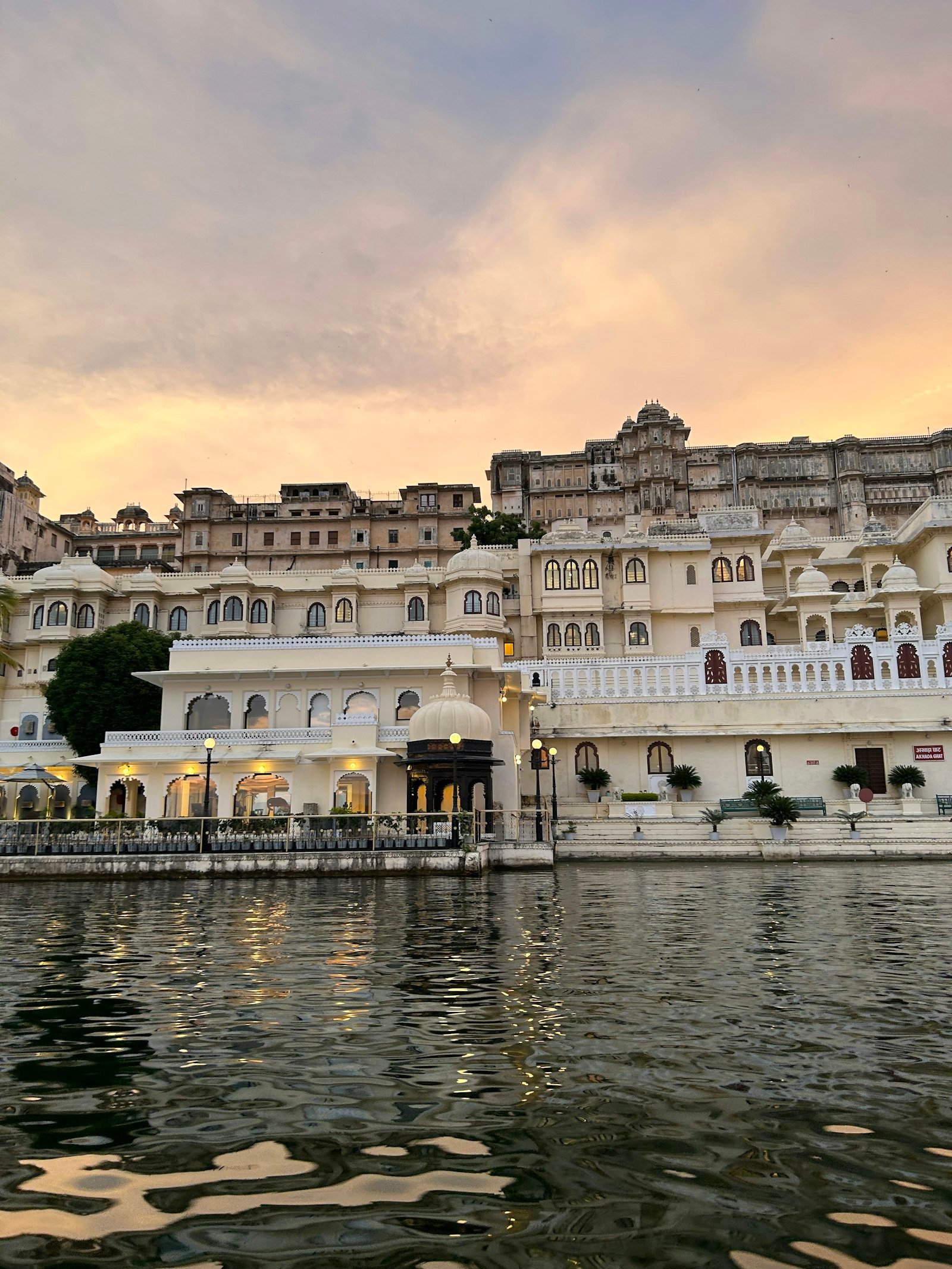
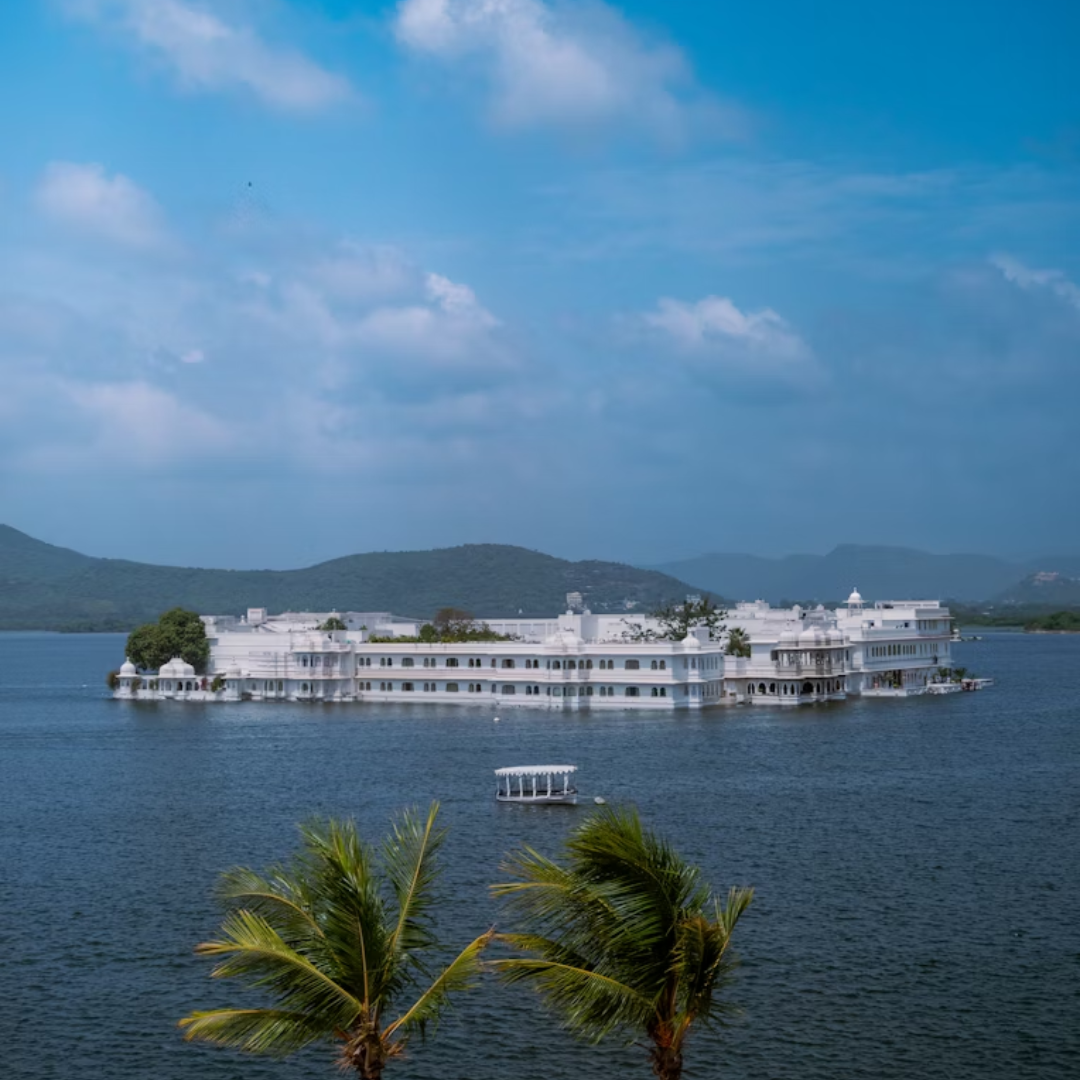
Udaipur has a reputation that travels ahead of it. The white-washed city rising from the banks of Lake Pichola, the shimmering water palaces, the Aravalli Hills turning every shade of green during the rains — these are images most travellers carry long before they arrive. But what surprises most visitors is how differently the city presents itself depending on when they show up.
Udaipur in winter is all clarity and bustle. Udaipur in monsoon is quieter, greener, and surprisingly atmospheric. Summer strips the crowds away entirely and hands the city back to its residents. There is no universally wrong time to visit the City of Lakes — only a time that suits your particular idea of a good trip. This guide breaks down exactly what each season offers, what the weather feels like month by month, which festivals fall when, and how to decide what works best for your travel style.
Udaipur's Three Seasons at a Glance
- Winter (October–March) — 10°C to 28°C, high crowds, peak rates
- Summer (April–June) — 27°C to 42°C, low crowds, budget-friendly
- Monsoon (July–September) — 24°C to 33°C, low-to-moderate crowds, most affordable
Want a ready-made Udaipur itinerary?
Tell us a few details — we'll send free pricing and dates.
Udaipur in Winter (October to March): The Peak Season
For most travellers asking about the best time to visit Udaipur, the answer is winter — and for good reason. Between October and March, Udaipur operates at its most visitor-friendly. Daytime temperatures stay comfortable between 15°C and 28°C for most of the season, the lakes are full after the monsoon rains, and the air quality is at its clearest.
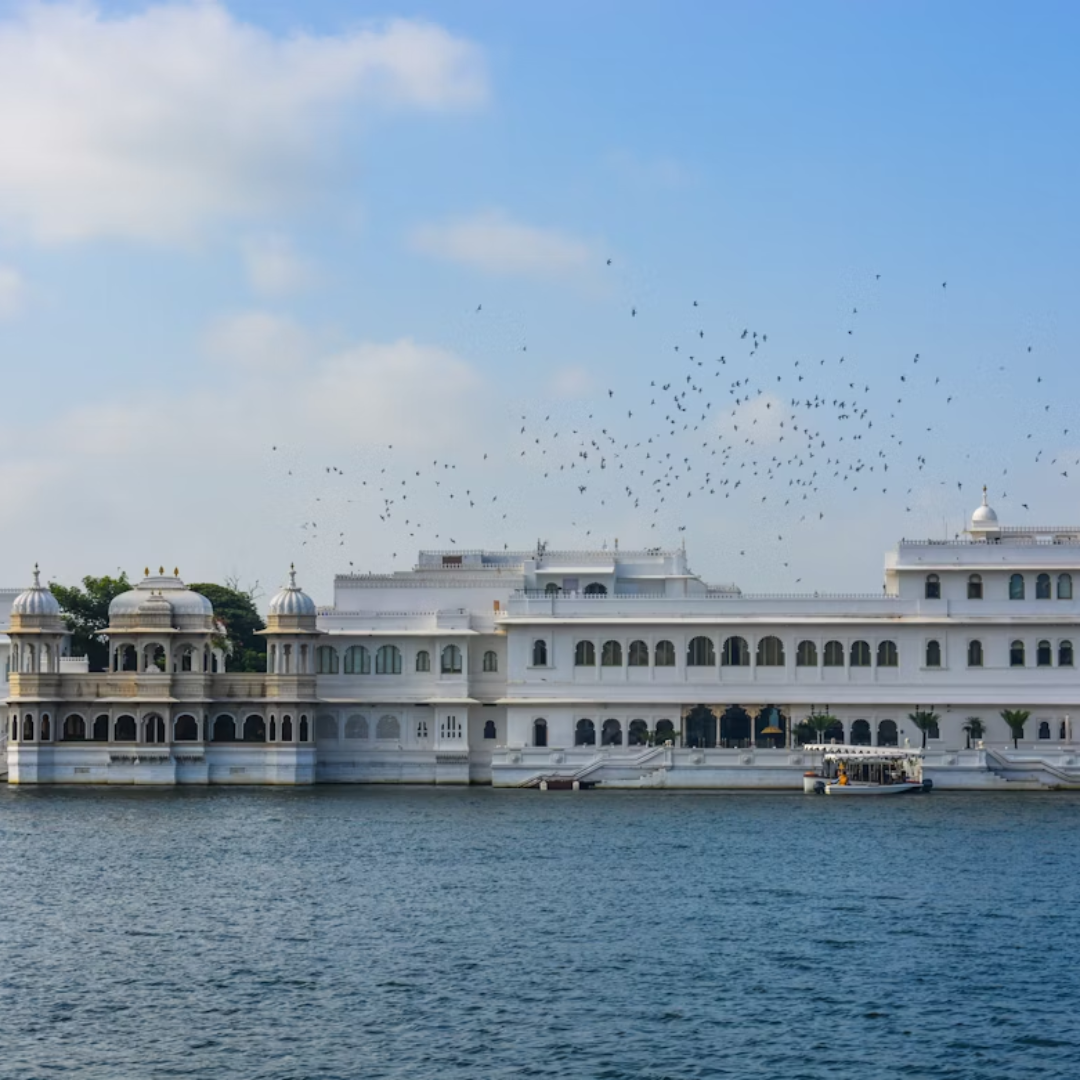
October and November offer a particularly sweet spot — the post-monsoon greenery on the Aravalli Hills still lingers, the weather is pleasant without being cold, and Navratri and Diwali bring genuine energy to the city's streets and ghats. December and January are the coldest months, with nights dropping to around 9–10°C — a light jacket is essential for evenings by the lake, and these are also the months with Udaipur's highest footfall, so advance booking is strongly recommended. February is one of the most underrated months, mild and less crowded, while March brings the Holi and Gangaur festivals, with processions on Gangaur Ghat among the most photographed events on Udaipur's calendar.
Best for: Sightseeing, photography, heritage walks, lake boat rides, first-time visitors.
Udaipur in Summer (April to June): The Off-Season Advantage
April through June is Udaipur's quietest period, and the reason is straightforward — May regularly touches 42°C in the afternoon. Most tour operators will advise against summer travel, which is precisely why it has its own quiet appeal for travellers who know how to work around the heat. April is the most manageable month, with temperatures still in the mid-30s, a noticeably emptier city, and lower hotel rates that let you explore the City Palace and Bagore Ki Haveli without the usual queues. May and June require planning around the temperature curve — early mornings and evenings are genuinely pleasant, and the light on Lake Pichola at sunrise is extraordinary without the winter crowds. If budget is a significant factor, this is the window to book — rates can be 30–40% lower than peak winter.
Best for: Budget travellers, solo explorers, those who prefer uncrowded heritage sites.
Udaipur in Monsoon (July to September): A City Transformed
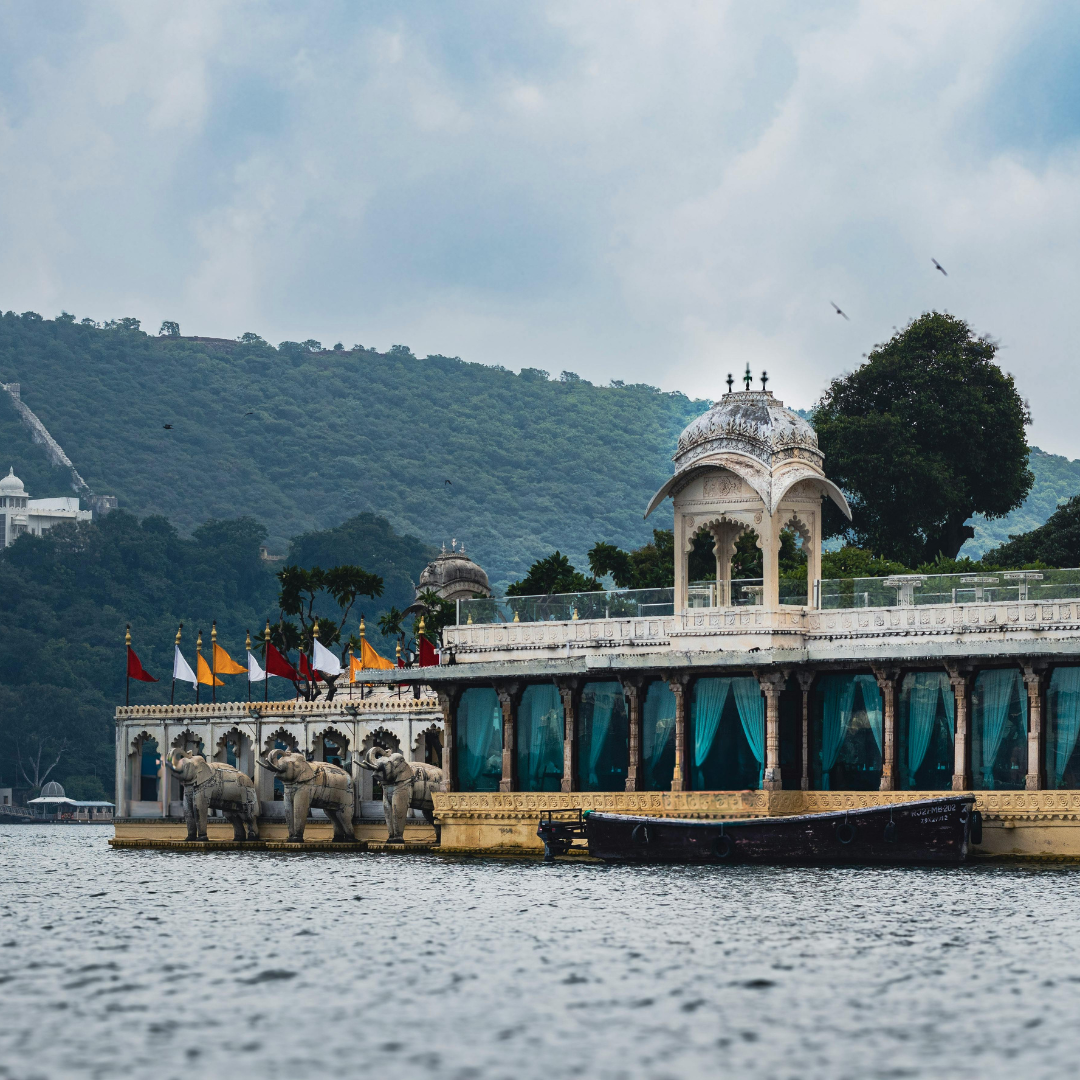
Udaipur in monsoon is the season that most surprises first-time visitors. The city that looked parched and pale in June transforms from July onward into something altogether different. The Aravalli Hills shift from dusty brown to layered, vivid green. Lake Pichola fills steadily through July and August, and by peak monsoon the water comes right to the edges of the ghats in a way that simply doesn't happen in winter. The temperature settles into a comfortable 24°C to 33°C, and crowds thin out while prices drop to their lowest point of the year.
Why August Is Special
August is the most atmospheric month for visiting Udaipur in rainy season. The lake reflections are at their most dramatic, the heritage architecture looks its best against dramatic monsoon skies, and two major festivals — Teej and Janmashtami — bring genuine street-level celebrations to the old quarter, with married women in traditional finery and folk musicians filling the lanes.
September: The Best-Kept Secret
September is arguably the most underrated month in the entire Udaipur weather calendar. The rains ease off, the landscape stays green from the monsoon's residual moisture, crowds remain at their monsoon lows, and the city starts to warm up toward the Navratri season — giving you the greenery of monsoon without the unpredictability of the rains.
- Pack a light waterproof jacket or compact umbrella
- Plan outdoor sightseeing for mornings, when showers are lighter
- Some roads to heritage sites outside the city can slow after heavy rainfall — build buffer time into day trips
- Book stays with lake views for the best monsoon reflections
Best for: Budget-conscious travellers, couples, photographers, those seeking an atmospheric alternative to peak season.
Month-by-Month Udaipur Weather Guide
- January — 10°C–25°C, dry and clear; coldest month, ideal uninterrupted sightseeing
- February — 13°C–28°C, dry; Holi preparations visible, pleasant evenings
- March — 18°C–33°C, dry; Holi and Gangaur festival, ghat processions
- April — 23°C–38°C, light rainfall possible; shoulder season, manageable heat
- May — 27°C–42°C, dry; hottest month, plan outdoors for early morning or dusk
- June — 27°C–39°C, pre-monsoon showers; first rains bring temperature relief
- July — 25°C–33°C, heavy rain; hills turn green, lakes begin filling
- August — 24°C–31°C, heaviest rainfall; most atmospheric month, Teej and Janmashtami
- September — 23°C–32°C, rains easing; green landscape, low crowds, great value
- October — 18°C–33°C, dry; post-monsoon clarity, Navratri Garba nights
- November — 13°C–29°C, dry and cooling; Diwali lights up ghats and palace facades
- December — 9°C–25°C, dry; peak season, advance booking essential
Udaipur Festivals: When to Visit for the Best Cultural Experience
Udaipur's festival calendar is one of the most compelling reasons to choose a specific travel window. Several celebrations are worth planning an entire trip around.
Holi (February / March)
Celebrated across the old city with colour, music, and processions through the lanes of the historic quarter. The energy in Udaipur during Holi is unlike most other Indian cities — more intimate, more rooted in tradition, and one of the most visually intense cultural experiences in Rajasthan.
Mewar Festival (March / April)
A three-day celebration coinciding with Gangaur, featuring traditional Rajasthani dress, folk performances, and ceremonial processions along the Gangaur Ghat — one of the better reasons to visit in early spring.
Teej (July / August)
A monsoon festival honouring the goddess Parvati. Married women dress in traditional green and red attire, folk musicians play through the lanes, and the old quarter takes on a festive character that exists entirely outside the tourist calendar.
Janmashtami (August)
Krishna's birth anniversary is observed across Udaipur's temples with midnight prayers, community gatherings, and celebrations that spill into the streets of the old city.
Navratri (September / October)
Nine nights of Garba — the traditional dance of Rajasthan and Gujarat. Large public venues across the city host gatherings that draw both locals and visitors, and the transition from monsoon to winter during this window makes October one of the more complete months for an Udaipur trip.
Diwali (October / November)
The Festival of Lights transforms Udaipur's lake edges and palace facades. Lamps line the ghats and the city's already beautiful lakefront takes on an extraordinary quality in the early evening light.
Udaipur's Must-Visit Places (and the Best Season for Each)
Lake Pichola
The heart of Udaipur and the reference point for almost every view in the city. Best in monsoon (August) when the lake is full and reflections are most dramatic, or in November when the air is clear and light is soft.
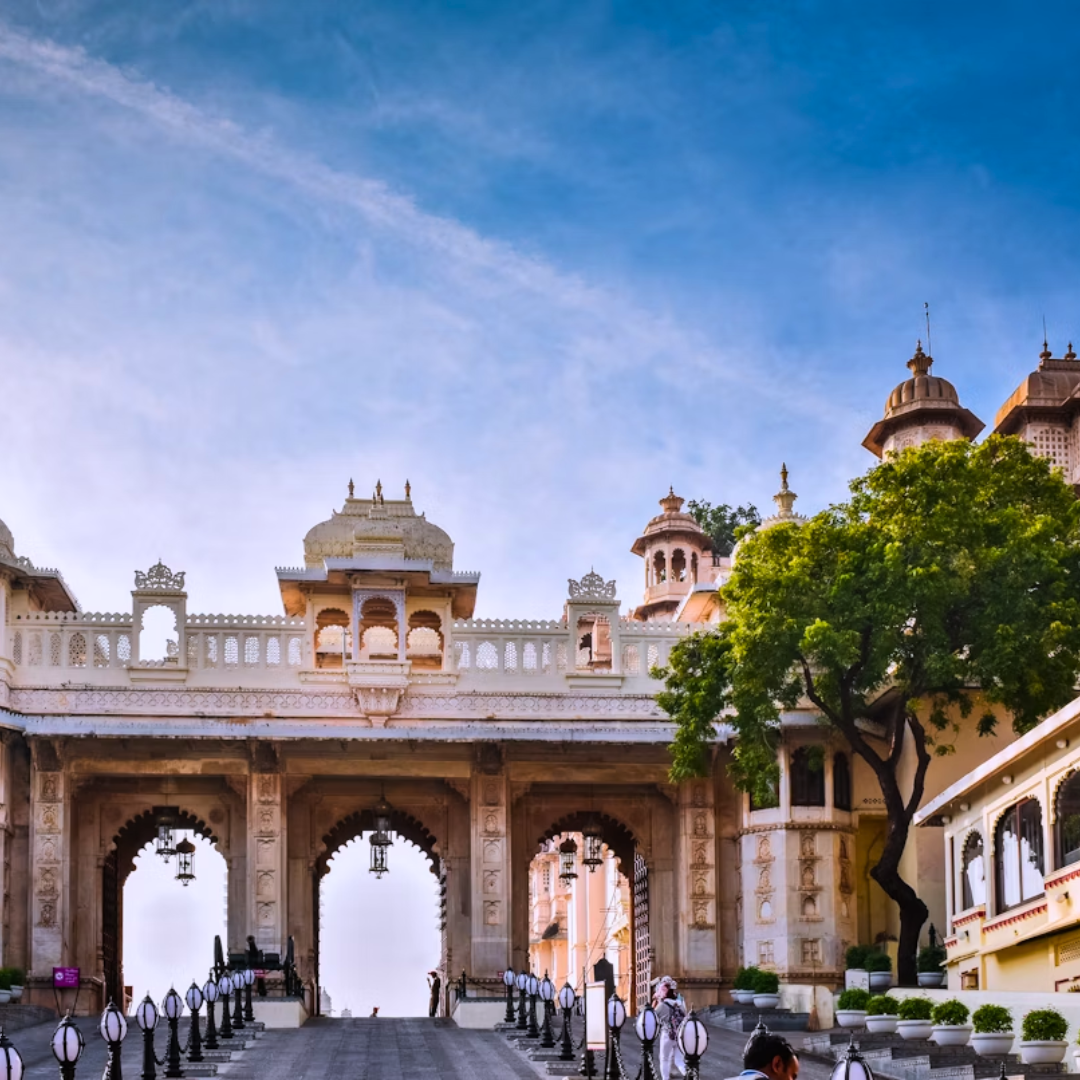
City Palace
The largest palace complex in Rajasthan, built over centuries by successive Mewar rulers. Best in winter, when the queues are manageable and the stone does not radiate midday heat.
Jag Mandir and Jag Niwas (Lake Palace Hotel)
Island structures accessible by boat. Best in post-monsoon October–November, when the lake is full but the weather is comfortable for the boat crossing.
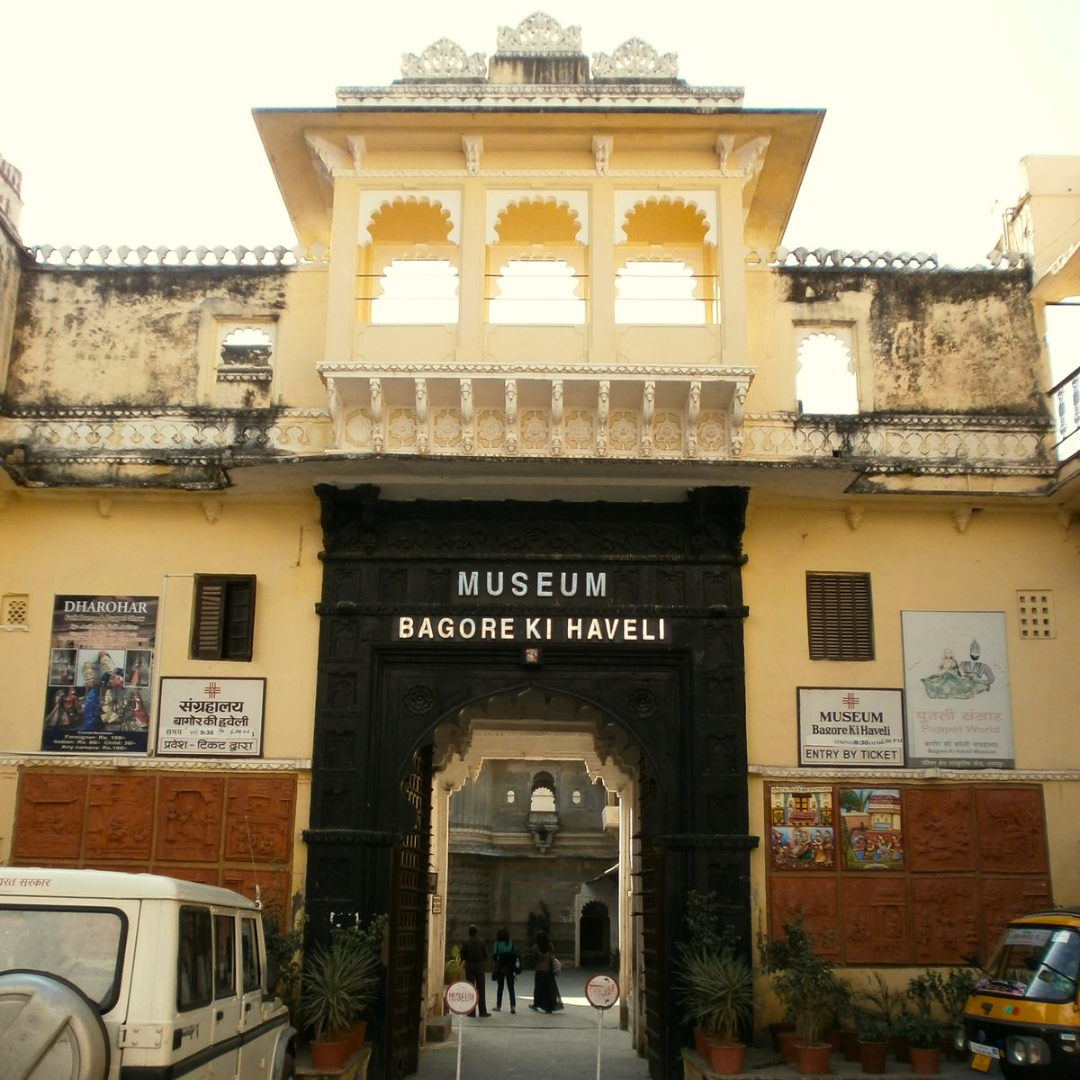
Bagore Ki Haveli
An 18th-century haveli on the banks of Lake Pichola, now a museum and evening cultural show venue. The evening folk performance is worth experiencing in any season but is particularly atmospheric in cooler months.
Saheliyon Ki Bari
A royal garden built for the queen's ladies-in-waiting, known for its fountains and lotus pools. Best in monsoon and post-monsoon, when the gardens are at their most lush.
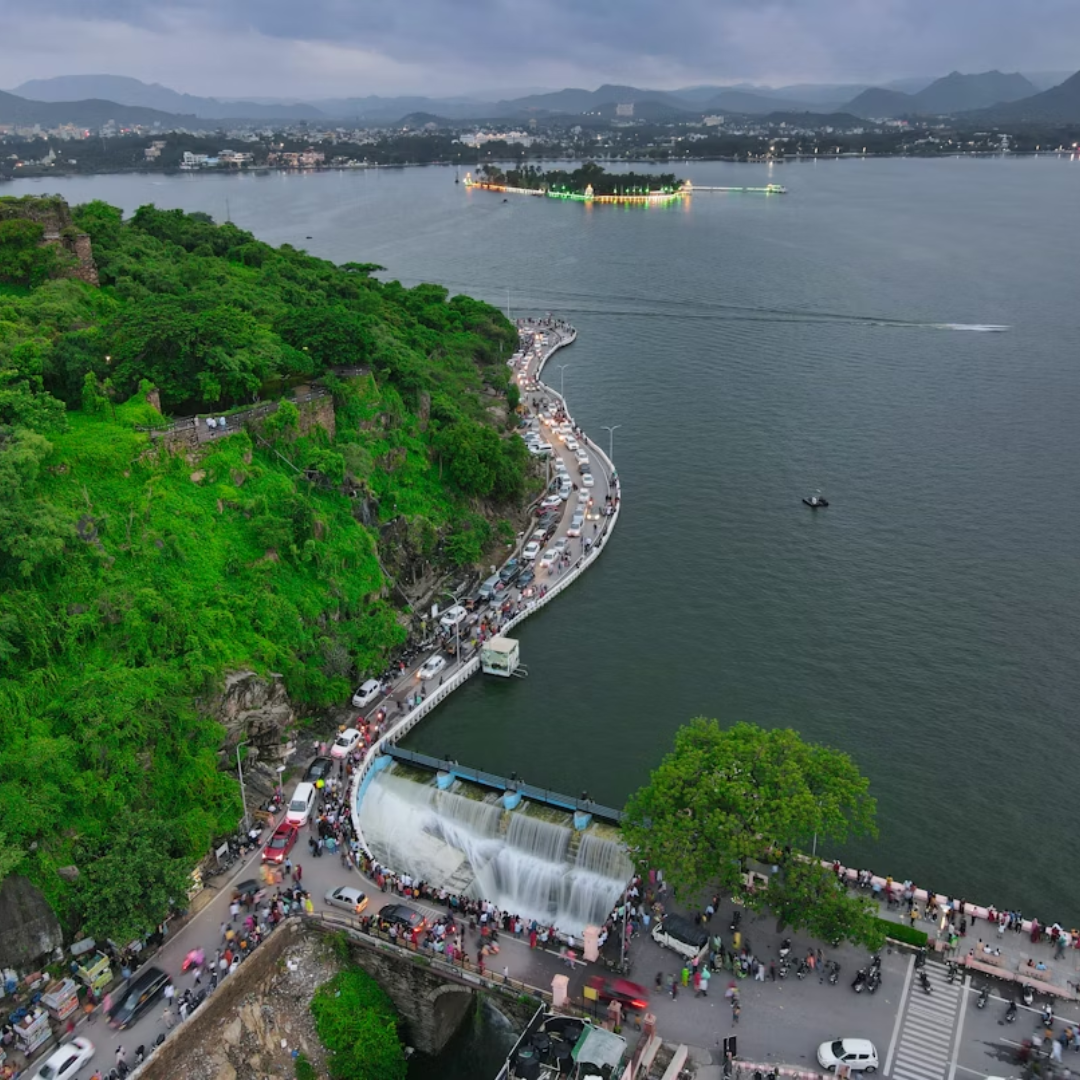
Fateh Sagar Lake
A quieter alternative to Pichola, popular with locals for evening walks. Best in monsoon, when the lake is brimming and the surrounding hills are vivid green.
Kumbhalgarh Fort (Day Trip)
The fort with the world's second-longest wall, about 84 km from Udaipur. Best in winter or post-monsoon, when the drive through the Aravalli Hills is scenic and comfortable.
Udaipur Trip from Delhi: Quick Planning Notes
Udaipur is well-connected from Delhi by air (approximately 1.5 hours), train (the Mewar Express is a popular overnight option), and road (roughly 660 km, around 10–11 hours by car or bus). For a weekend trip, flying makes the most sense; for a more relaxed 4–5 day itinerary, the overnight train lets you maximise time in the city without losing a day to travel.
- Winter (November–February) — Udaipur + Mount Abu (hill station, 160 km south)
- Monsoon (August–September) — Udaipur + Kumbhalgarh + Ranakpur temples
- Summer (April–May) — Udaipur city focus, with early morning lake walks and afternoon museum visits
Conclusion: There Is No Wrong Season for Udaipur
The honest answer to "when is the best time to visit Udaipur" is that it depends on what you want from the trip. Winter gives you the Udaipur of postcards — clear skies, full lakes, and a city performing at its most photogenic. Monsoon gives you something harder to photograph but easier to feel — a quieter, greener, more local Udaipur where the rain itself becomes part of the experience. Summer gives you access and affordability that the other seasons simply do not.
What does not change across any of these windows is the quality of what Udaipur offers: centuries of Mewar royal heritage, some of the most beautiful lakefront architecture in India, a festival calendar that runs twelve months, and a city that still feels like a place with its own unhurried identity. Whenever you choose to go, go with some idea of what you are looking for — Udaipur will deliver it.
To book or ask a question, reach us on WhatsApp at +91 86905 02310 or email serenadetravels@gmail.com.
Ready to Experience It?
Royal Udaipur
Join a group departure with Serenade Travels — all logistics handled, experienced trip leader included.
View Trip Details →