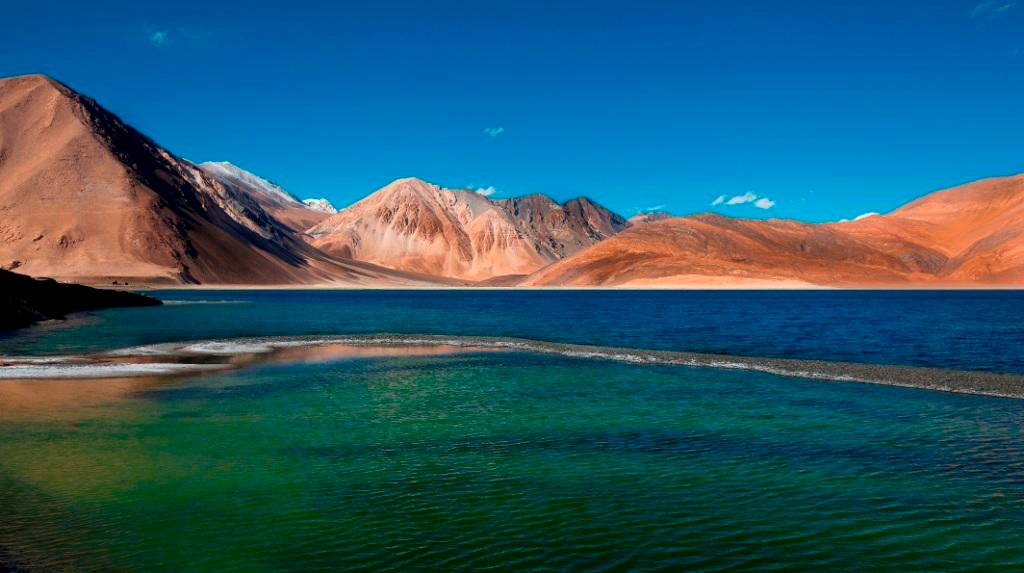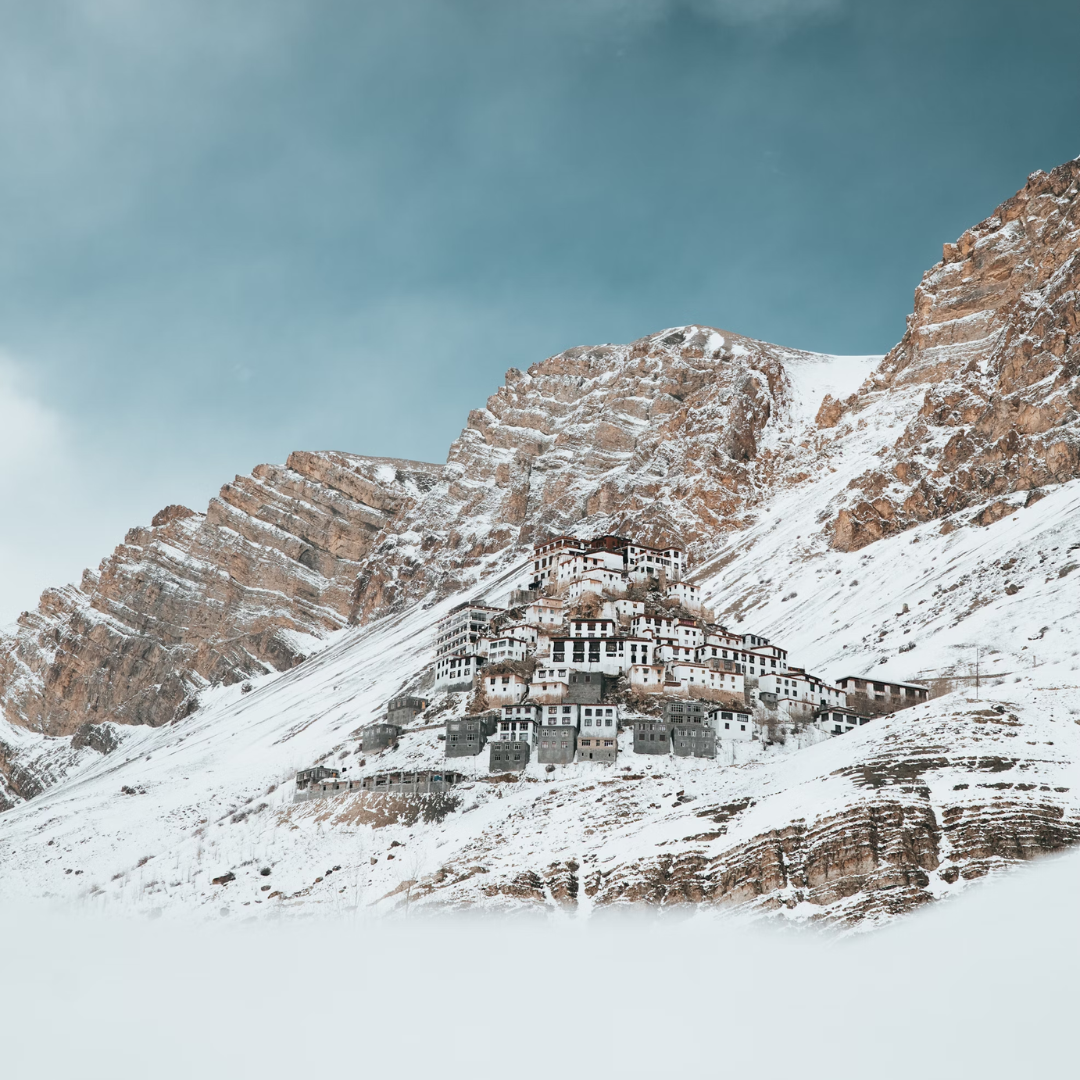
Meghalaya in winter offers clear skies, cool weather and uncrowded trails — here is your complete guide to the best places, weather, treks and travel tips from November to February.
Most people think of Meghalaya as a monsoon destination. The waterfalls, the mist, the living root bridges dripping in rain — that image is accurate, and it is beautiful. But the travellers who have been to Meghalaya in winter will tell you something different: that this is quietly the best time to go.
Between November and February, Meghalaya slows down. The skies clear. The roads dry out. The famous viewpoints at Laitlum Canyon and Cherrapunji reveal views that rain simply cannot offer. And the crowds that fill popular spots in peak season thin out considerably.
If you are planning a Northeast India trip this winter, here is everything you need to know.
Why Visit Meghalaya in Winter?
Winter transforms Meghalaya in four specific ways that matter for travellers.
Better visibility: the mist and clouds that define monsoon season lift considerably in winter, revealing the full scale of the Khasi Hills, the Bangladesh plains below Cherrapunji, and the impossibly clear water at Dawki. Photographers specifically prefer winter light — softer, directional, and without the grey overcast that monsoon produces.
Drier trails: the Nongriat trek to the Double Decker Living Root Bridge involves descending roughly 3,500 steps. Those steps are slippery and significantly more demanding in monsoon conditions — winter makes the trail genuinely more accessible.
Fewer crowds at major sights: October to April is considered the best time to visit Meghalaya, and winter brings pleasant, clear days perfect for treks, viewpoints and village walks. That said, December — particularly around Christmas and New Year — does attract higher volumes. If quiet travel is the goal, November, January or early February hit the sweet spot.
The cultural calendar: winter in Meghalaya falls during the Wangala Festival (Garo harvest festival) in early winter and the Christmas celebrations in Shillong, which the city takes seriously — streets decorated with fairy lights and stars, carol singing, church feasts and joyful community dances mark the biggest celebrations, particularly in Shillong, Jowai and Tura.
Want a ready-made Meghalaya itinerary?
Tell us a few details — we'll send free pricing and dates.
Meghalaya Winter Weather: What to Expect
- Shillong: 12°C–18°C by day, 4°C–8°C at night
- Cherrapunji: 8°C–20°C by day, 6°C–10°C at night
- Dawki: 10°C–22°C by day, 8°C–12°C at night
- Mawlynnong: 10°C–21°C by day, 7°C–11°C at night
A mid-weight fleece and a wind-resistant outer layer handles daytime temperatures comfortably. Evenings get genuinely cold — pack a proper warm jacket, especially for Shillong. Rainfall is minimal compared to the rest of the year, though the odd shower still occurs.
Best Places to Visit in Meghalaya in Winter
1. Shillong — Scotland of the East
Shillong is the natural base for any Meghalaya winter trip. The capital city sits at around 1,500 metres and is compact enough to cover on foot. Ward's Lake, Police Bazaar, Shillong Peak, and Don Bosco Museum are the core sights. The city's music scene — Shillong has earned a genuine reputation as India's rock music capital — comes alive in winter, particularly around the Christmas season. Winter also brings peaceful boat rides at Umiam Lake and clear views at Laitlum Canyon nearby.
The drive from Guwahati Airport to Shillong takes roughly two hours and the road is one of the better approaches to any hill station in Northeast India.
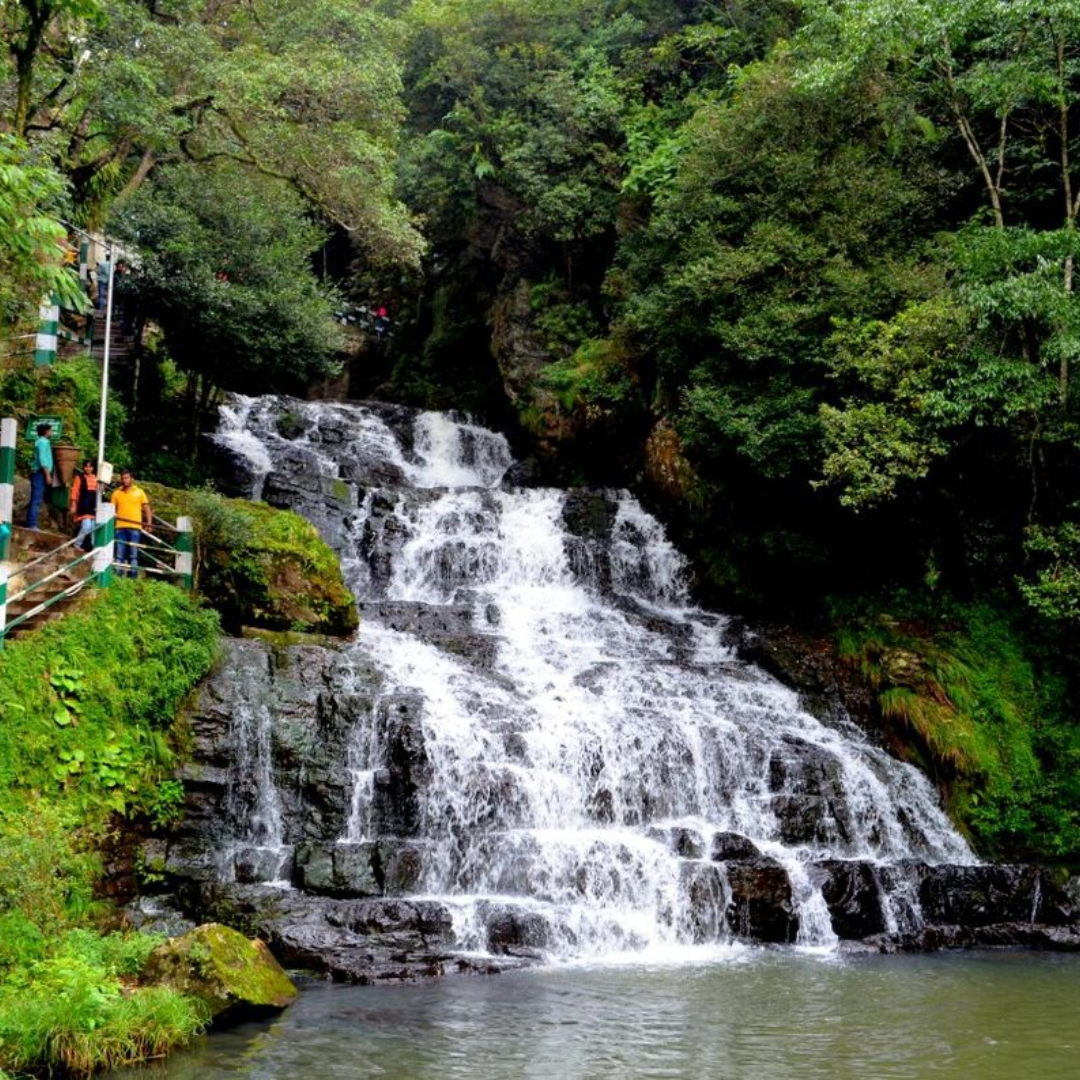
2. Cherrapunji (Sohra) — Beyond the Rainfall Records
Cherrapunji holds records for rainfall, but those records are built in monsoon. In winter, Cherrapunji's visibility is clear during the day, making the waterfalls look magical, and the light mist in the mornings adds atmosphere without obstructing views.
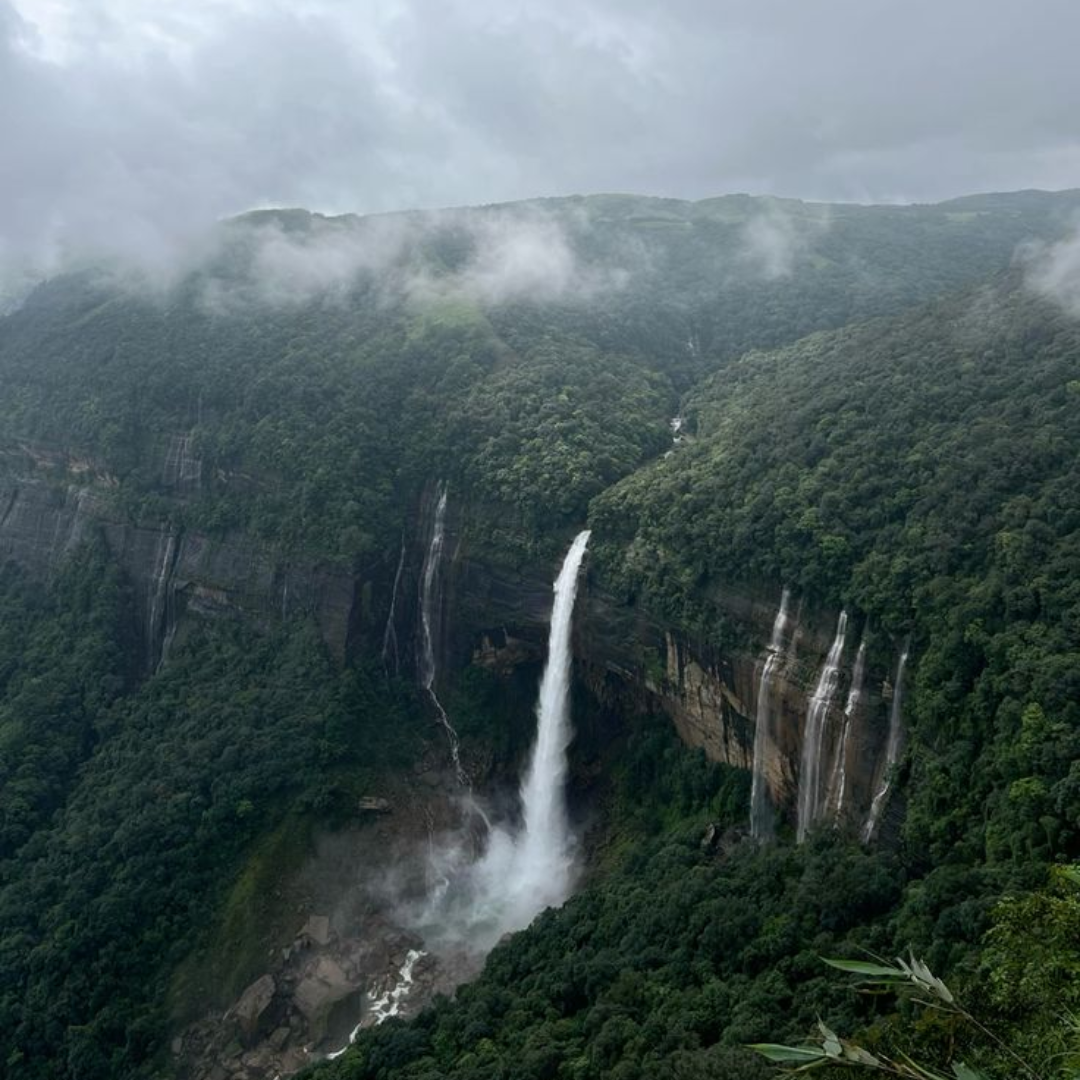
Nohkalikai Falls — India's tallest plunge waterfall at 1,115 feet — is accessible year-round, but winter gives you dry roads, a clear view of the turquoise pool at the base, and none of the spray that obscures photographs in peak monsoon. The Seven Sisters Falls, Mawsmai Cave and Arwah Cave round out a full day.
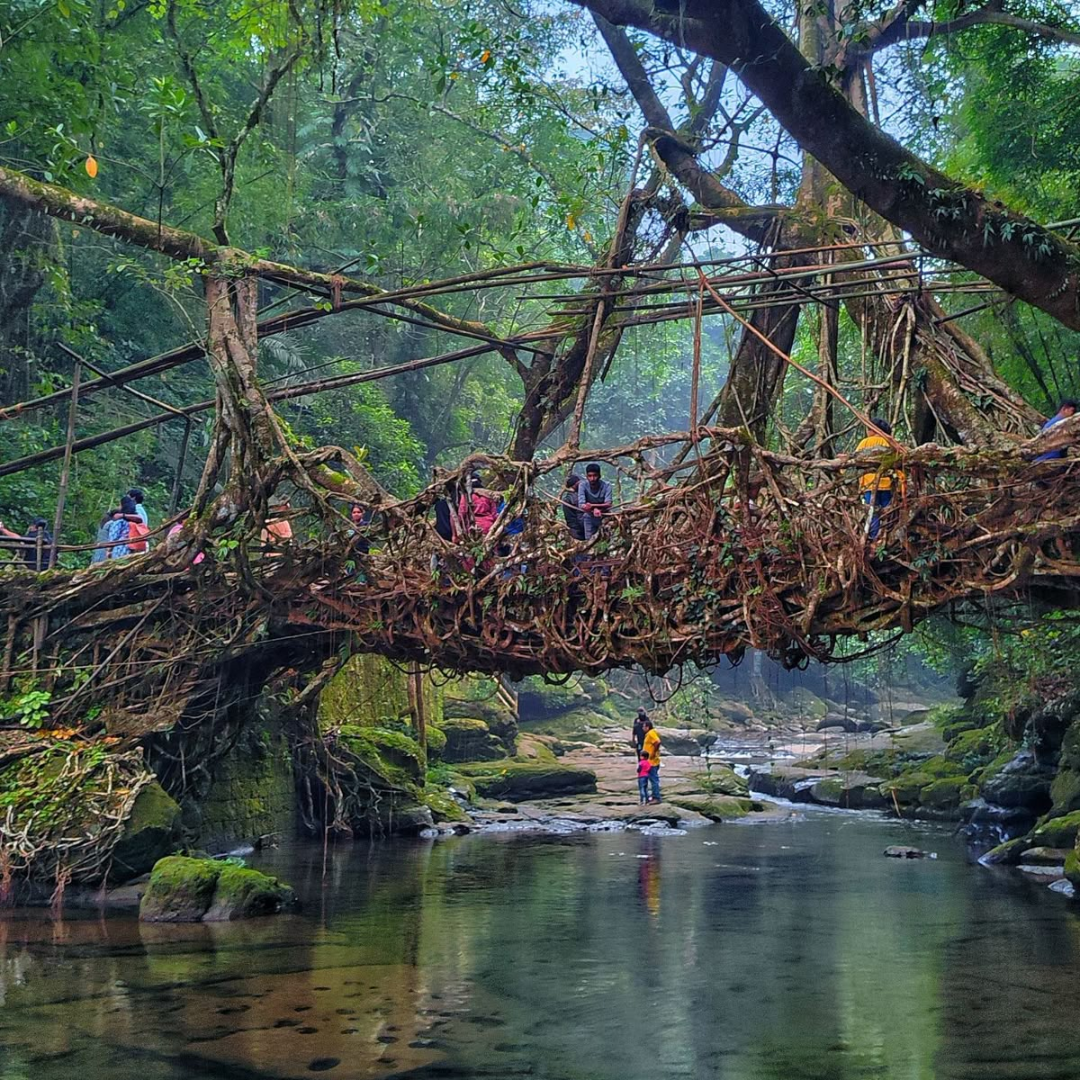
The Nongriat trek to the Double Decker Living Root Bridge starts near Cherrapunji. Winter conditions — drier steps, cooler temperatures, better trail visibility — make this one of the best times to attempt it.
Serenade Travels Meghalaya package — Explore Meghalaya, 5 Nights 6 Days, from ₹20,500 per person. Guwahati pickup → Shillong → Cherrapunji → Dawki → Krang Suri Falls → back to Guwahati. Includes a certified guide for the Nongriat root bridge trek, all stays, 5 breakfasts and 1 dinner. Current departures run February through April.
Ready to Experience It?
Explore Meghalaya
Join a group departure with Serenade Travels — all logistics handled, experienced trip leader included.
View Full Itinerary & Book →3. Dawki — The Crystal River
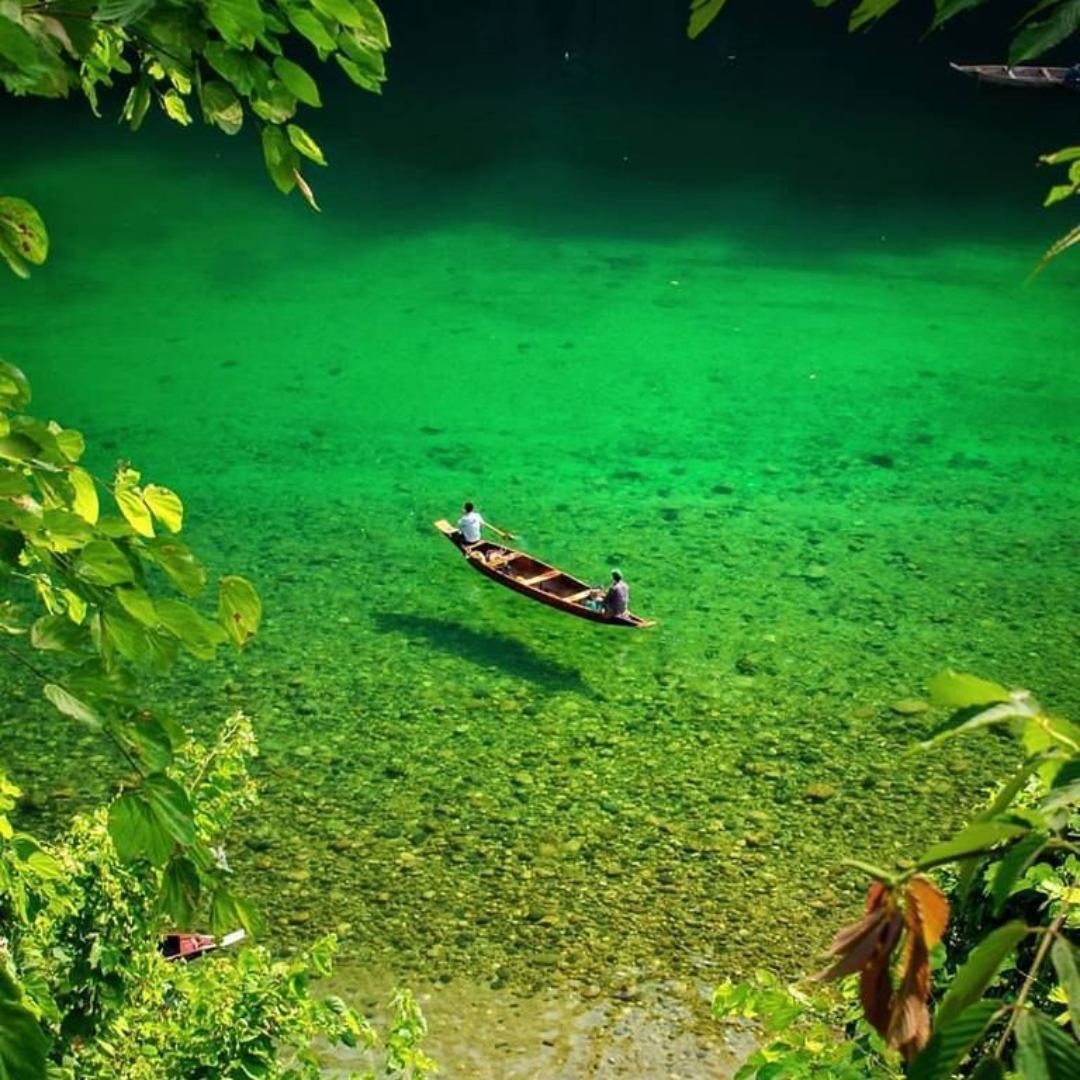
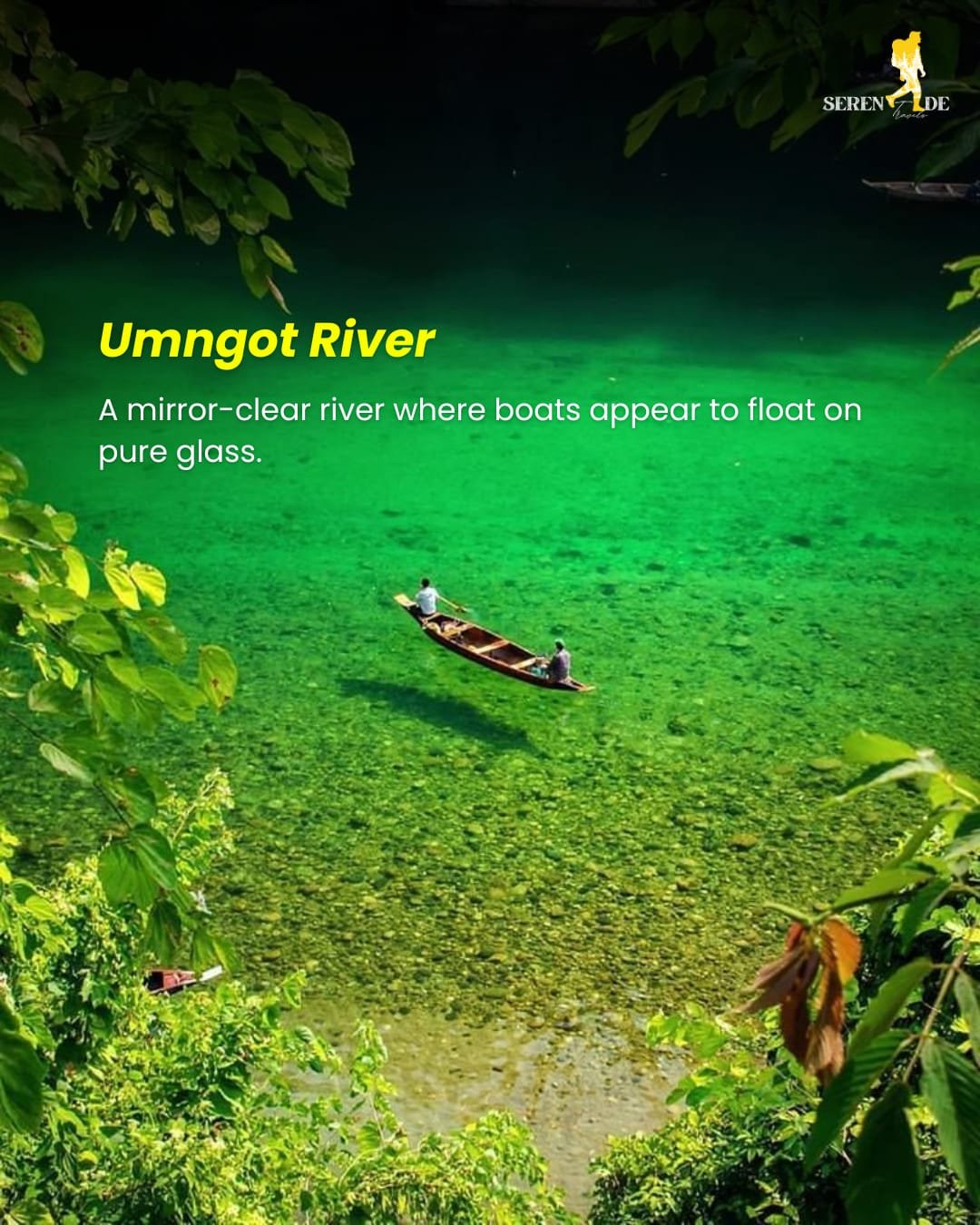
The Umngot River at Dawki is one of those places that photographs look digitally enhanced until you are standing next to it. The water is genuinely clear enough that boats appear to float on air. Winter keeps the water at its clearest — monsoon runoff clouds it considerably — making November through February the optimal window.
Boating on the Umngot is the primary activity, and the India–Bangladesh border crossing point nearby adds an unusual dimension to the visit. A day in Dawki pairs well with Mawlynnong village, about 30 kilometres away.
4. Mawlynnong — Asia's Cleanest Village
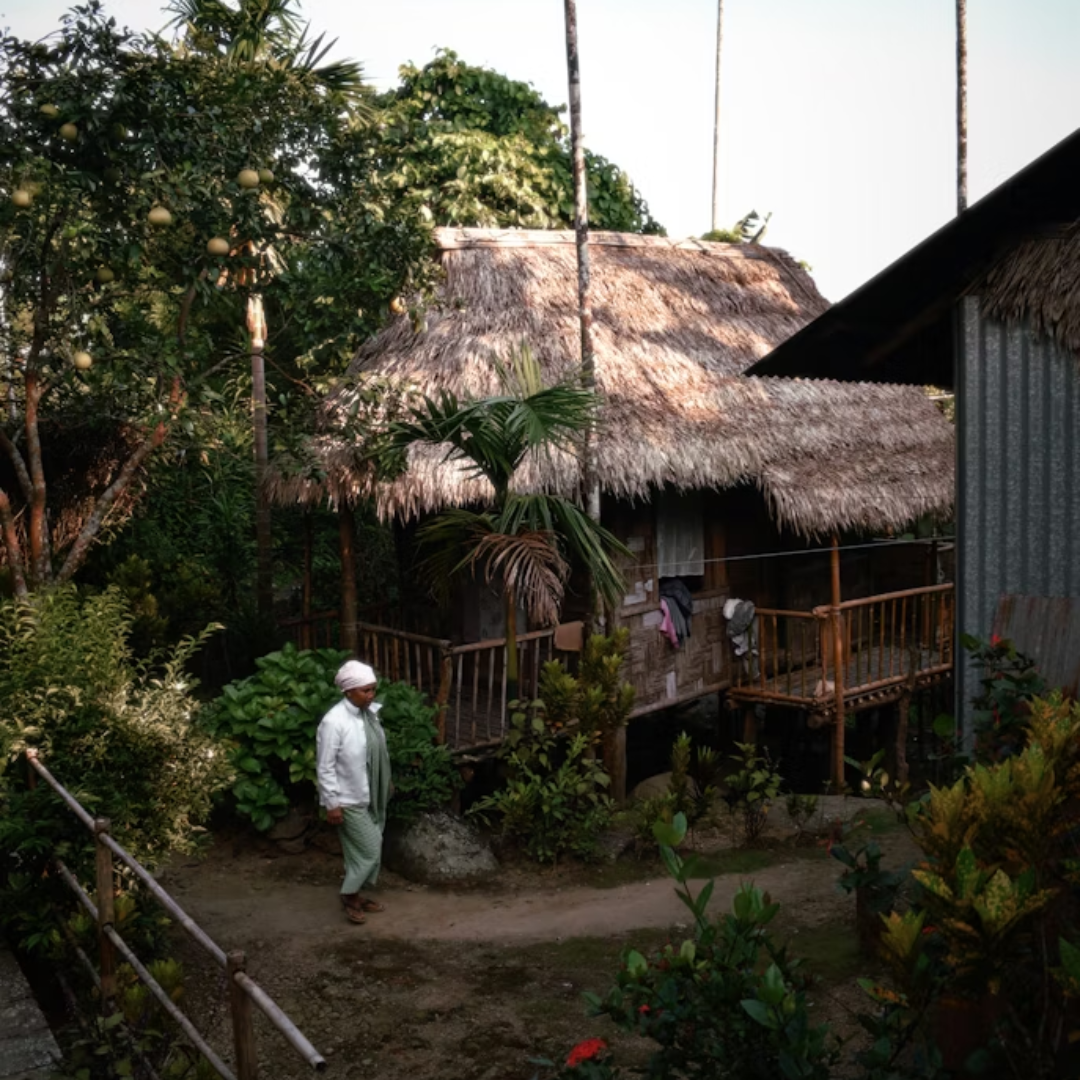
Bamboo walkways, immaculate lanes, a canopy treehouse, and a single living root bridge at Riwai village nearby. Mawlynnong is genuinely worth the trip and genuinely lives up to the 'cleanest village' reputation. Winter mornings here are particularly quiet — the kind of quiet that makes you understand why people seek out Northeast India for slow travel.
5. Laitlum Canyons — The Hidden Viewpoint
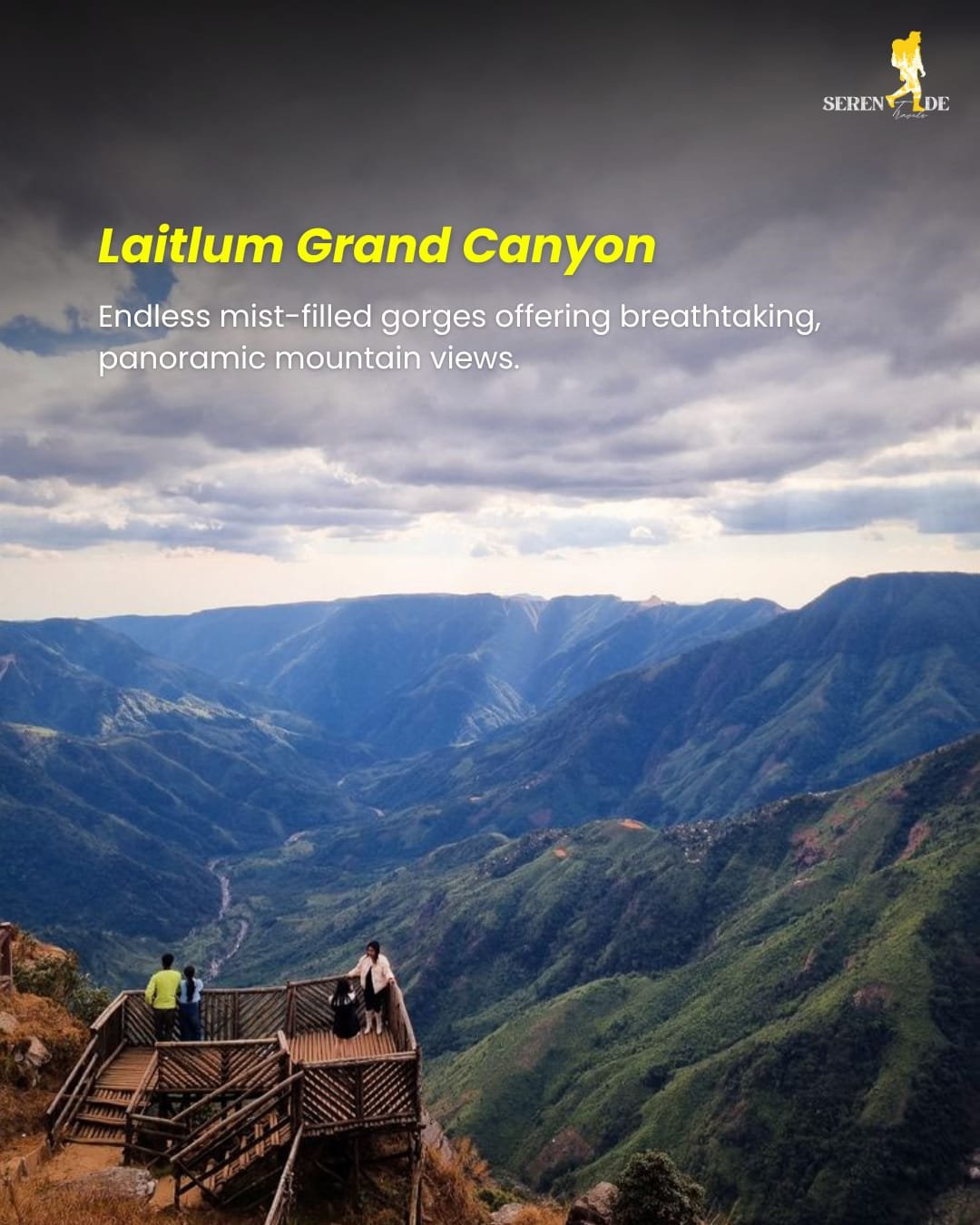
Most Meghalaya itineraries include Cherrapunji but skip Laitlum Canyon, which is a mistake. The canyon sits about 25 kilometres from Shillong and offers some of the most dramatic valley views in the Northeast — clear winter views make it particularly rewarding. The descent into the canyon involves a short hike on steps cut into the hillside. Arrive early — this is a sunrise location.
6. Nongriat — Double Decker Living Root Bridge Trek
The trek from Tyrna village down to Nongriat and the Double Decker Living Root Bridge is genuinely demanding: roughly 3,500 steps down and the same back up, taking four to six hours in total. A certified local guide accompanies you for safety and navigation.
Winter is when this trek is most manageable. The steps are drier, the forest is cooler, and the chance of a sudden downpour interrupting the journey is low. Go early in the morning to avoid what little afternoon warmth December and January bring.
7. Krang Suri Falls — Turquoise Water
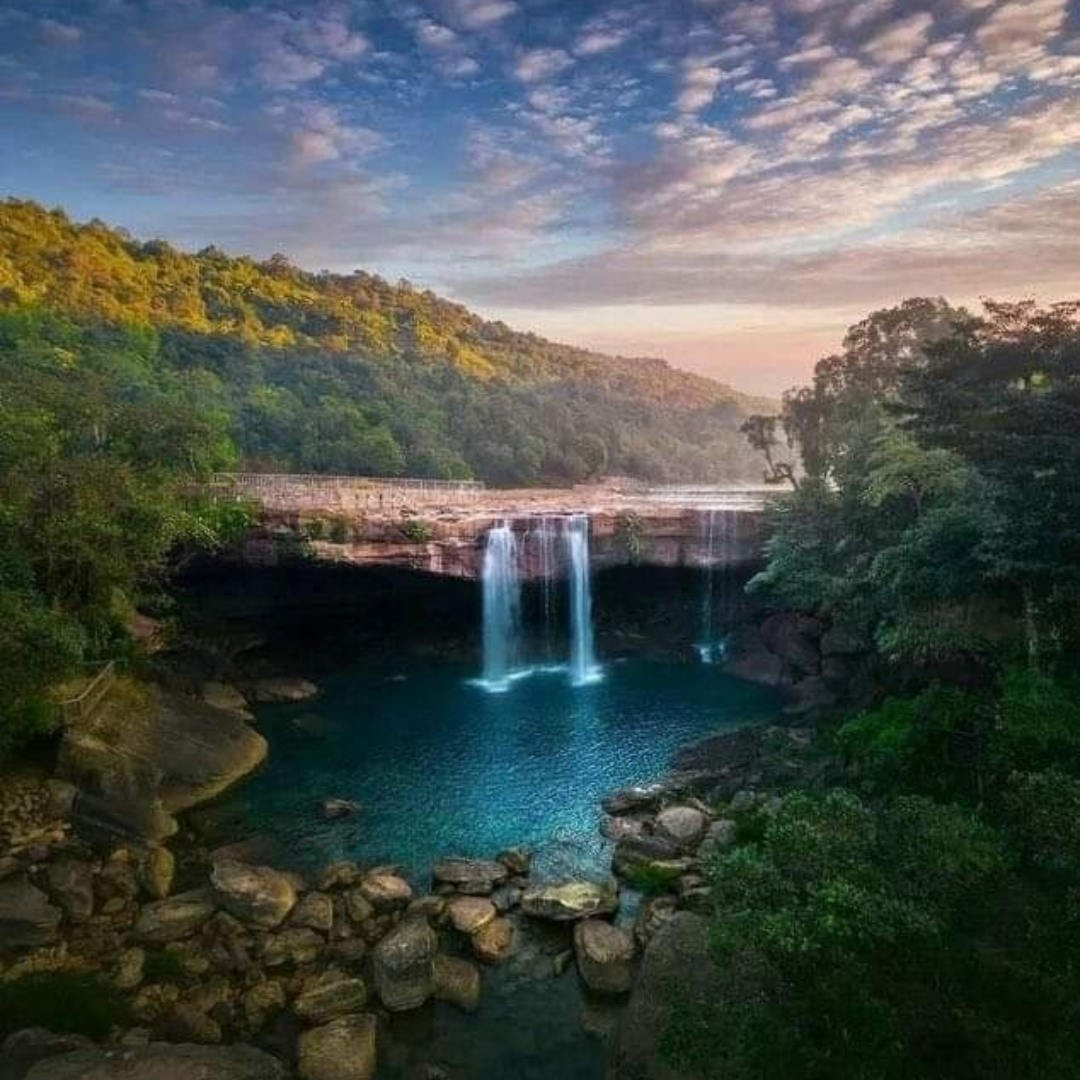
A lesser-known waterfall near Jowai in the Jaintia Hills, Krang Suri is remarkable for the colour of its water — an intense turquoise that genuinely matches photographs. Swimming is possible in calmer conditions, and the surrounding forest adds to the atmosphere. Winter gives clear skies and easier access roads compared to the monsoon months.
Meghalaya Winter Itinerary: 5 Nights 6 Days
This is the itinerary Serenade Travels runs as a group departure, adapted here as a self-guided reference.
- Day 0 — Arrive Guwahati. Transfer to Shillong (2 hrs). Check in, explore Shillong market.
- Day 1 — Shillong: Laitlum Canyon, Mawkdok Viewpoint. Drive to Cherrapunji, overnight.
- Day 2 — Cherrapunji: Nongriat trek and Double Decker Living Root Bridge (full day, certified guide). Return to Cherrapunji.
- Day 3 — Cherrapunji: Nohkalikai Falls, Mawsmai Cave, Seven Sisters Falls. Drive to Dawki, overnight.
- Day 4 — Dawki: Umngot River boating. Drive to Mawlynnong (Asia's cleanest village), Riwai root bridge. Optional: Krang Suri Falls near Jowai.
- Day 5 — Drive back to Shillong. Leisure and market time. Return to Guwahati for departure.
Serenade Travels — Meghalaya Adventure with Kaziranga, 6 Nights 7 Days, from ₹23,000 per person. Everything above, plus an extension to Kaziranga National Park with an included jeep safari for one-horned rhinos, wild elephants and deer — the most complete Northeast India circuit Serenade offers. Current departures run February through April.
Ready to Experience It?
Meghalaya Adventure with Kaziranga
Join a group departure with Serenade Travels — all logistics handled, experienced trip leader included.
View Full Itinerary & Book →Trekking in Meghalaya in Winter
Winter is the preferred trekking season in Meghalaya. Four trails worth knowing:
- Double Decker Root Bridge — starts at Tyrna, near Cherrapunji — roughly 10 km round trip, moderate difficulty, ideal for first-time trekkers
- David Scott Trail — starts at Mawphlang — roughly 16 km, moderate difficulty, best for photography and forest scenery
- Laitlum Canyon — near Smit village, Shillong — roughly 4 km, easy, best for sunrise and beginners
- Mawryngkhang Bamboo Trek — starts at Wahkhen village — roughly 4 km, moderate difficulty, a unique bamboo-walkway experience
All trails are significantly more manageable in winter than in monsoon conditions. Carry a torch for early morning starts and wear shoes with grip.
Meghalaya Travel Tips for Winter
- Clothing: layer up. Mornings and evenings are cold; midday can feel almost mild. A thermal base, a fleece, and a windproof jacket covers most conditions.
- Transport: the easiest access to Meghalaya is via Guwahati (Lokpriya Gopinath Bordoloi International Airport), about two hours from Shillong. Within Meghalaya, a private vehicle or organized tour vehicle handles the scattered attractions far better than public transport.
- December crowds: Christmas week in Shillong brings significant domestic tourism. Book accommodation at least four to six weeks ahead if travelling between December 20 and January 5.
- Mobile network: most major networks work in Shillong and Cherrapunji. Dawki and remote areas can be patchy — download offline maps before leaving the city.
- Permits: no special permits are required for mainstream tourist destinations. The Protected Area Permit applies only to specific restricted border zones that standard itineraries do not include.
- Cash: carry sufficient cash for Dawki, Mawlynnong and smaller villages where digital payments are unavailable.
How to Reach Meghalaya
By air: fly to Guwahati (GAU) — the primary gateway. Regular flights from Delhi, Mumbai, Bangalore and Kolkata. Transfer to Shillong takes roughly two hours.
By train: the nearest major railhead is Guwahati. Shillong has no direct train connectivity.
By road: from Guwahati, shared cabs and private vehicles connect to Shillong throughout the day. The NH-6 route through Jorabat is the standard approach.
When to Book a Meghalaya Winter Trip
November and January are the sweet spots — clear weather without the December peak pricing. February offers late-winter conditions, fewer tourists, and the start of spring blooms in the valleys.
If December is the only option, book accommodation and any guided treks at least a month in advance. Christmas week specifically sells out early, particularly in Shillong.
Why Book Meghalaya with Serenade Travels
Serenade runs two Meghalaya group departure formats. Explore Meghalaya (5N/6D) covers Shillong, Cherrapunji, the Nongriat root bridge trek, Dawki and Krang Suri Falls, from ₹20,500 per person including a certified guide for the trek, all stays and most meals. Meghalaya Adventure with Kaziranga (6N/7D) extends the above with an included Kaziranga National Park jeep safari, from ₹23,000 per person.
Both are managed group departures with a 24/7 operations team, an experienced driver and on-ground support. Home to root bridges, living with mist, and ending with rhinos — it is hard to pack more variety into one Northeast India trip.

To book or ask a question, reach us on WhatsApp at +91 86905 02310 or email serenadetravels@gmail.com.
Key Takeaways
Meghalaya in winter delivers clearer skies, drier trails and a more relaxed pace than monsoon. The core circuit — Shillong, Cherrapunji, Dawki and Mawlynnong — is easily done in five to six days. November, January and early February offer the best combination of weather, crowd levels and value. The Nongriat trek and Krang Suri Falls are the standout experiences that most visitors remember longest.
This article is for general travel information only. Verify current road conditions, permits and accommodation availability before travel.